
A Growing Threat to Colorado’s Urban Canopy
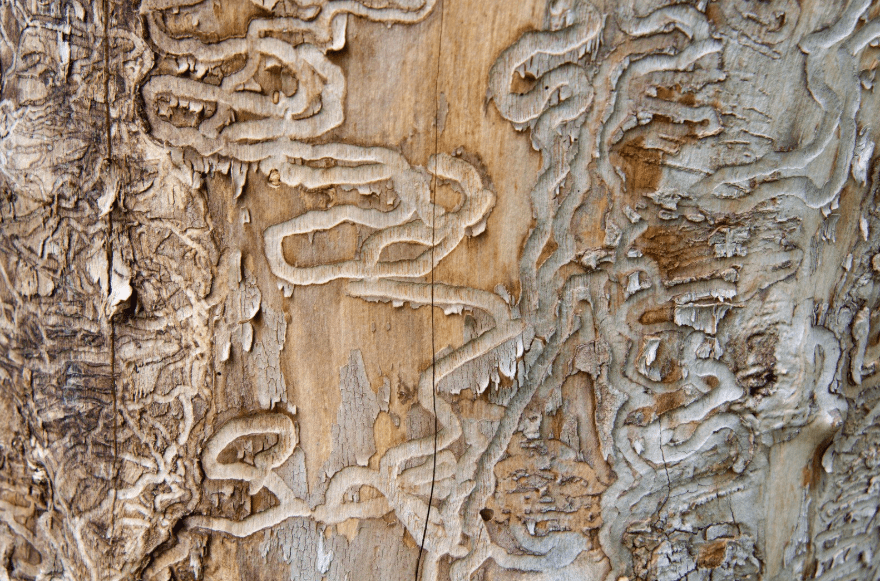
Emerald Ash Borer: A Growing Threat to Colorado’s Urban Canopy
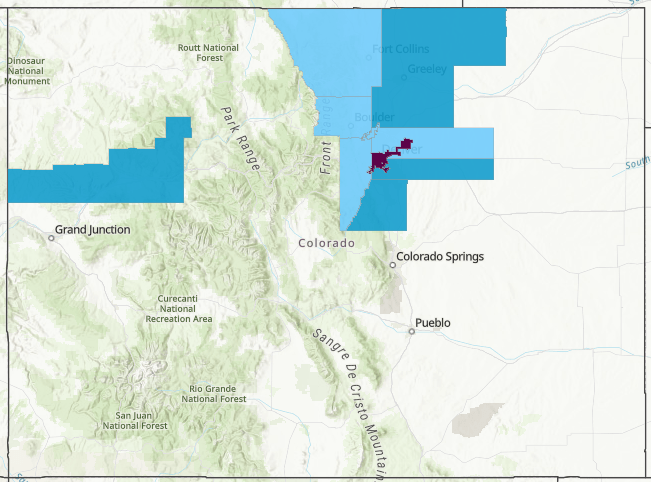
The Emerald Ash Borer (EAB), a destructive invasive beetle, has continued its spread across Colorado, posing a serious threat to ash trees throughout the Front Range. First detected in Boulder in 2013, EAB was confirmed in Littleton in June 2023, and by mid-2024, infestations had reached Centennial, Greenwood Village, Lakewood, and even northern cities like Loveland and Fort Collins.
Ash trees make up a significant portion of Colorado’s urban canopy—about 15% statewide. In Littleton alone, there are an estimated 45,000 ash trees, while Denver’s metro area hosts approximately 1.45 million. Englewood has around 20,000 ash trees. With such high numbers, the impact of EAB is not just ecological—it’s visual, financial, and safety-related.
Once infested, ash trees typically die within 2–4 years. As they decline, they become brittle and hazardous, often requiring removal to prevent damage or injury. That’s why proactive management is key.
Arbor Care Specialists recommend:
- Tree evaluations and diagnoses
- Trunk injections with a 2-year systemic pesticide
- Annual trunk sprays
- Foliar treatments with systemic pesticides
For property owners, now is the time to act. Inventorying ash trees, assessing their health and value, and implementing treatment or removal plans are essential steps to protect your landscape and the broader urban forest.
If you suspect EAB in your area or want to safeguard your ash trees, reach out to Arbor Care Specialists; our ISA certified arborists. Together, we can help preserve the beauty and health of Colorado’s tree canopy for generations to come.
Read more here:
- Emerald Ash Borer Confirmed on Colorado’s Western Slope for First Time - Colorado State Forest Service
- Emerald Ash Borer (EAB) - Arapahoe County
- Emerald Ash Borer (EAB) Known Infested Counties - USDA
- Invasion of emerald ash borer spreads in Colorado - 9 News
Tags: