
Your Yard, Reimagined: Boulder Landscape Design Trends for Spring and Summer
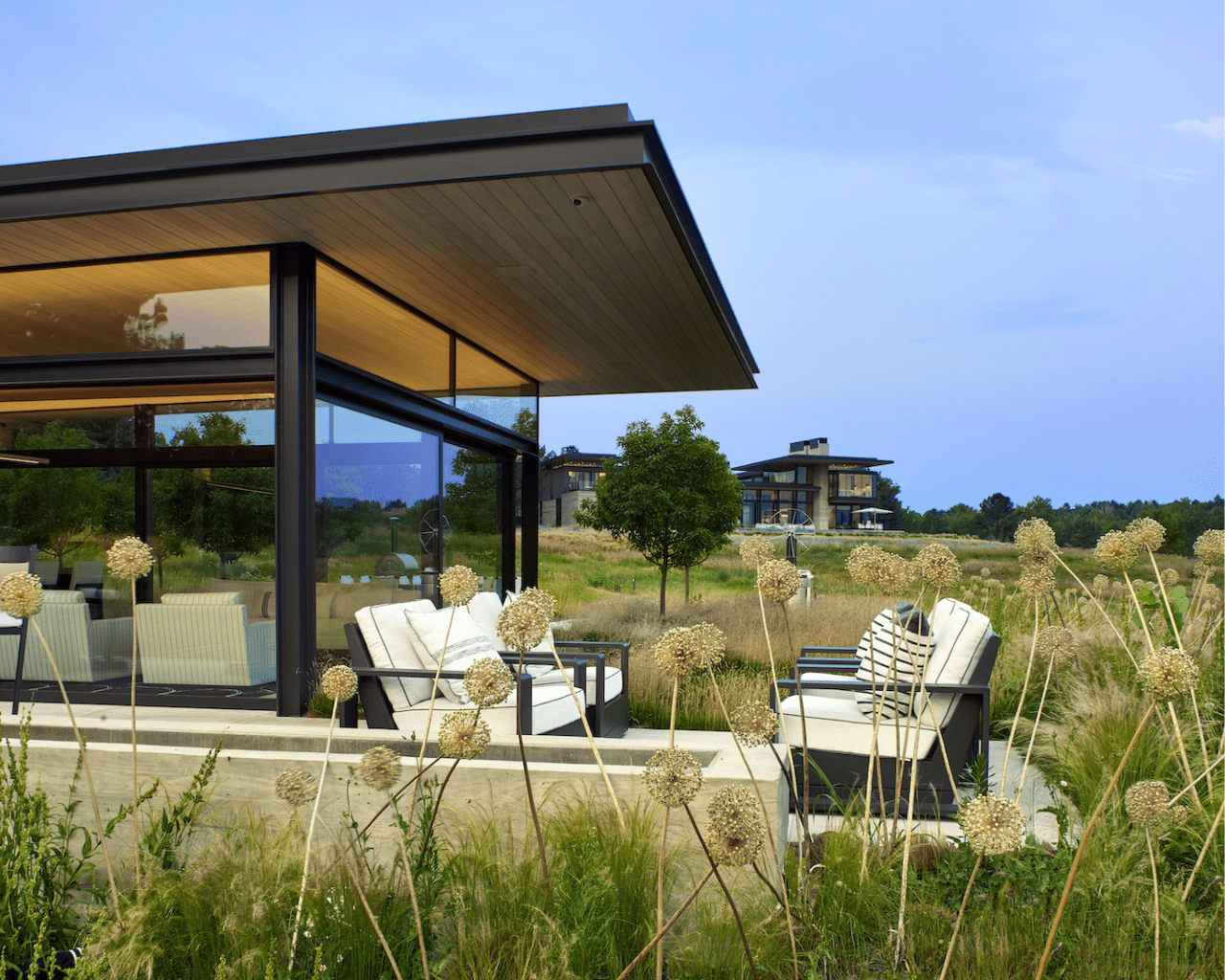
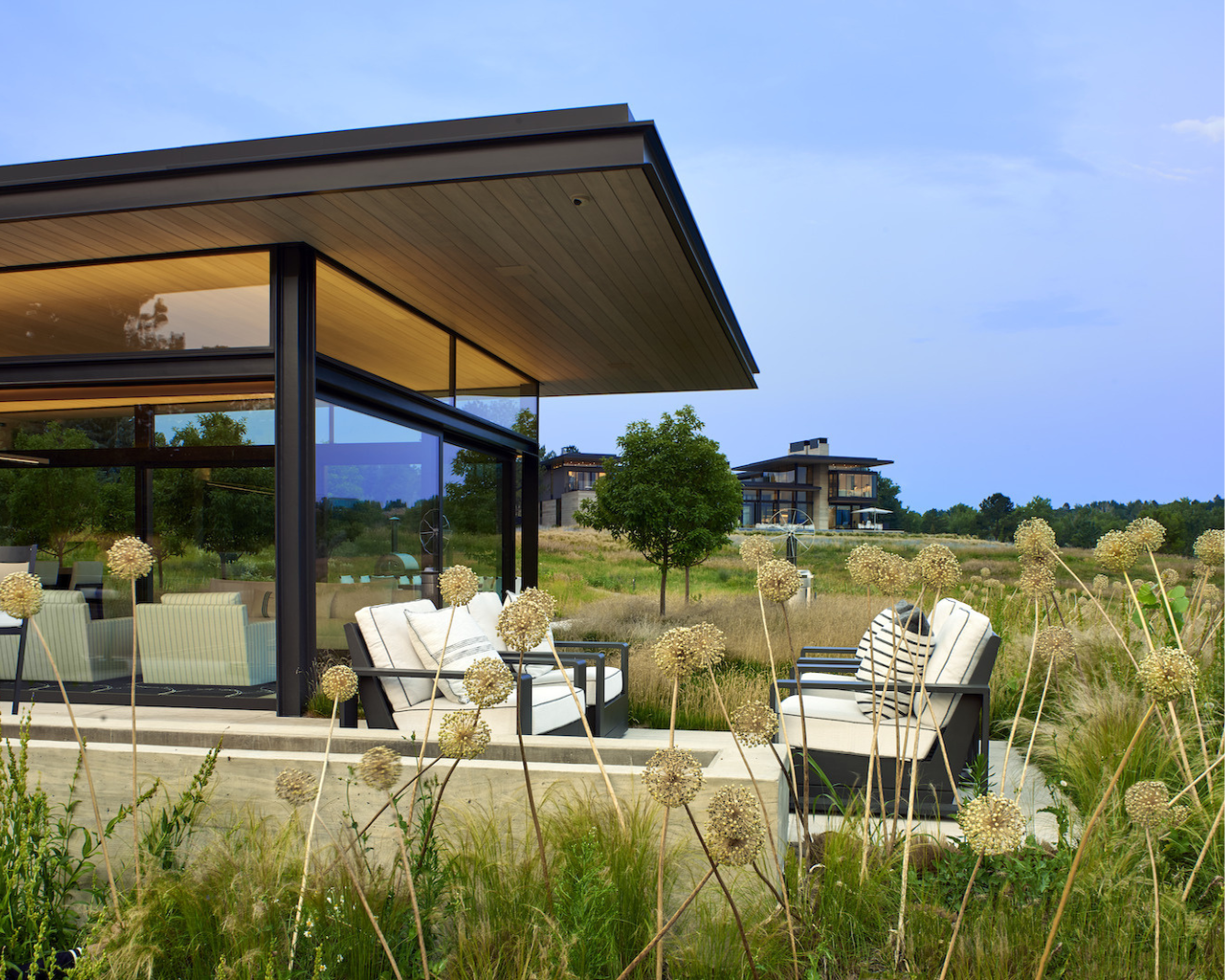
Boulder’s landscapes have always reflected something deeper than curb appeal with a genuine desire to belong to the land rather than impose on it. This spring, that ethos is showing up in everything from how homeowners manage water to how they carve out space for wellness, gathering, and growing their own food. We asked two Scouted local landscape experts for Boulder’s landscape design trends and what they’re seeing on the ground.
Work With the Land, Not Against It
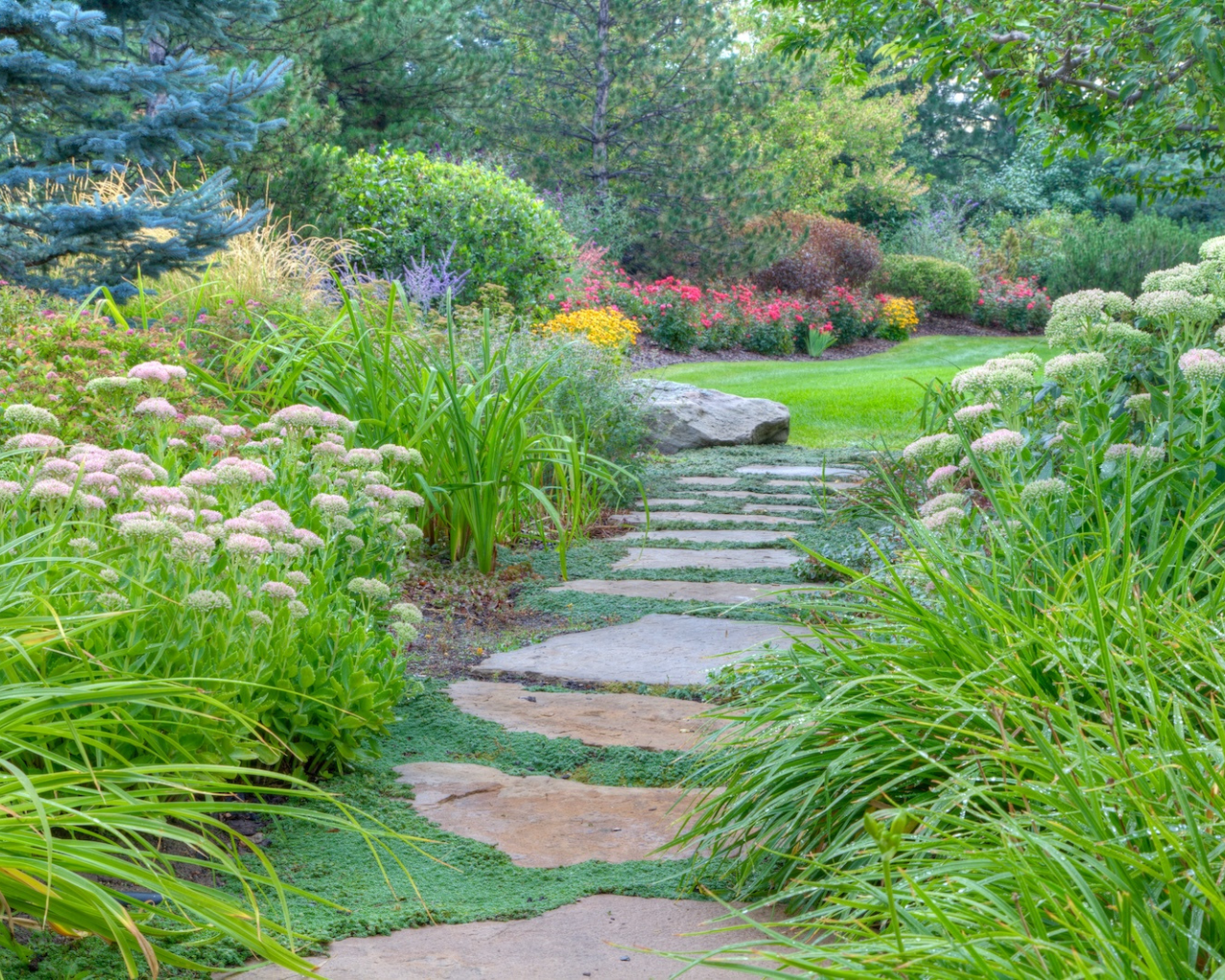
Lauren Hoogewind, marketing director at Designs By Sundown, says the starting point for most Boulder projects is the site itself. “Planting plans typically start with the site’s microclimates, then layer in native structure and seasonal color so the landscape feels like it belongs at the foothills,” she explains. That means permeable, naturalistic surfaces like dry creek swales, split-face stone steppers set in jointing gravel, and open-joint pavers that soften the transition between home and hillside rather than draw a hard line between the two.
Susan Garland, principal at Garland Design Group, is seeing a parallel shift in how homeowners think about what their yards actually do. Requests for raised vegetable beds are on the rise as more people look to grow their own organic produce, and wellness-driven features, like saunas, cold plunges, hot tubs, outdoor showers, are becoming a genuine part of the landscape conversation.
Water-Wise Is No Longer Optional
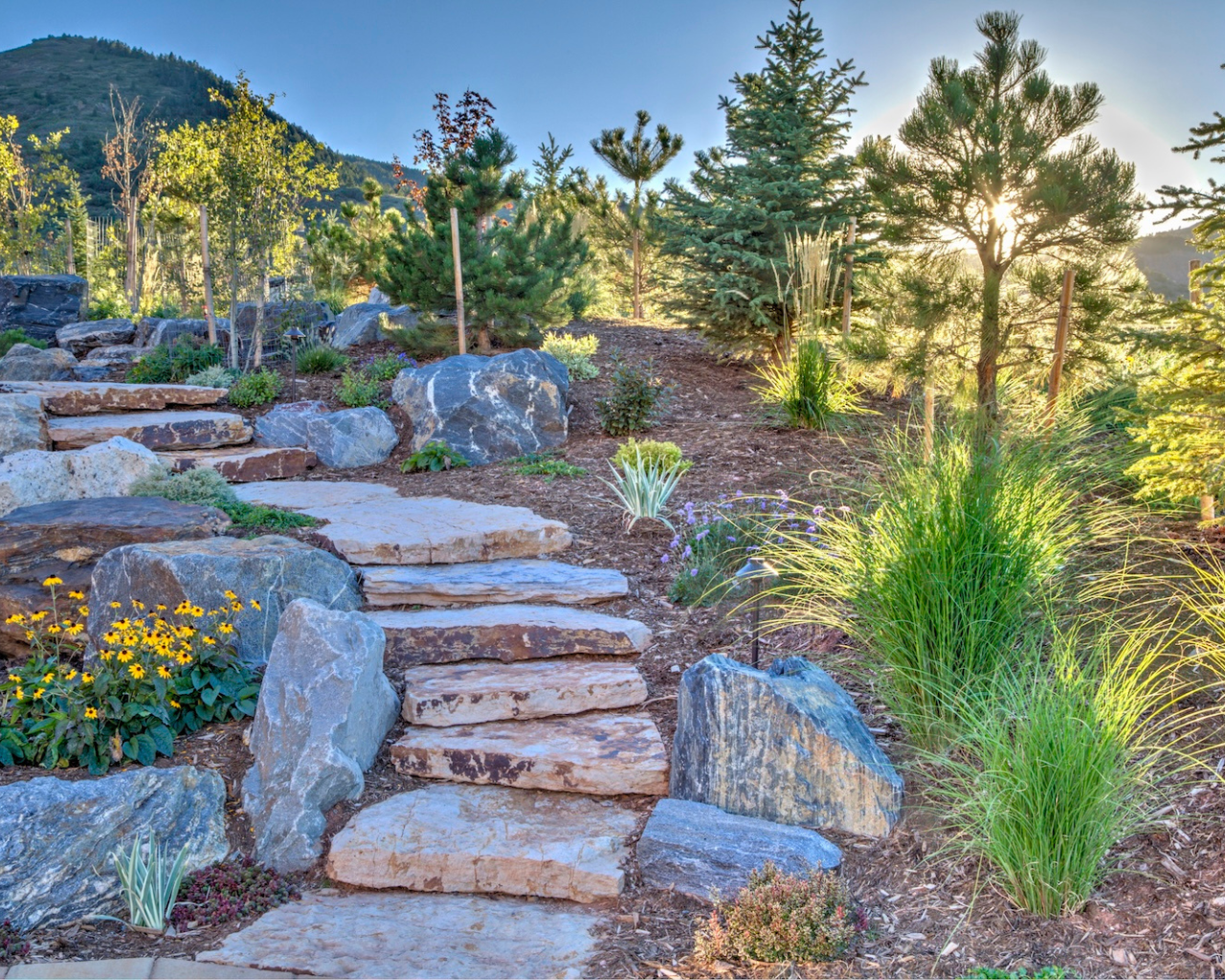
With snowpack at a reported 40-year low this season, water efficiency is front and center. Hoogewind’s approach centers on hydrozones with smart-controlled drip irrigation, designing by plant community so each zone receives only what it needs, and always adjusting for weather. “You’re not seeing sprinklers go off during a rainstorm,” she notes. She also recommends adding a hearty amount of organic mulch, one to three inches, to reduce evaporation. This sets the foundation for a landscape that largely takes care of itself.
Garland echoes this, noting a surge in clients requesting reduced lawn footprints in favor of shrubs, perennials, and decorative rock. The direction, she says, will only continue as the climate shifts.
Plants That Earn Their Place
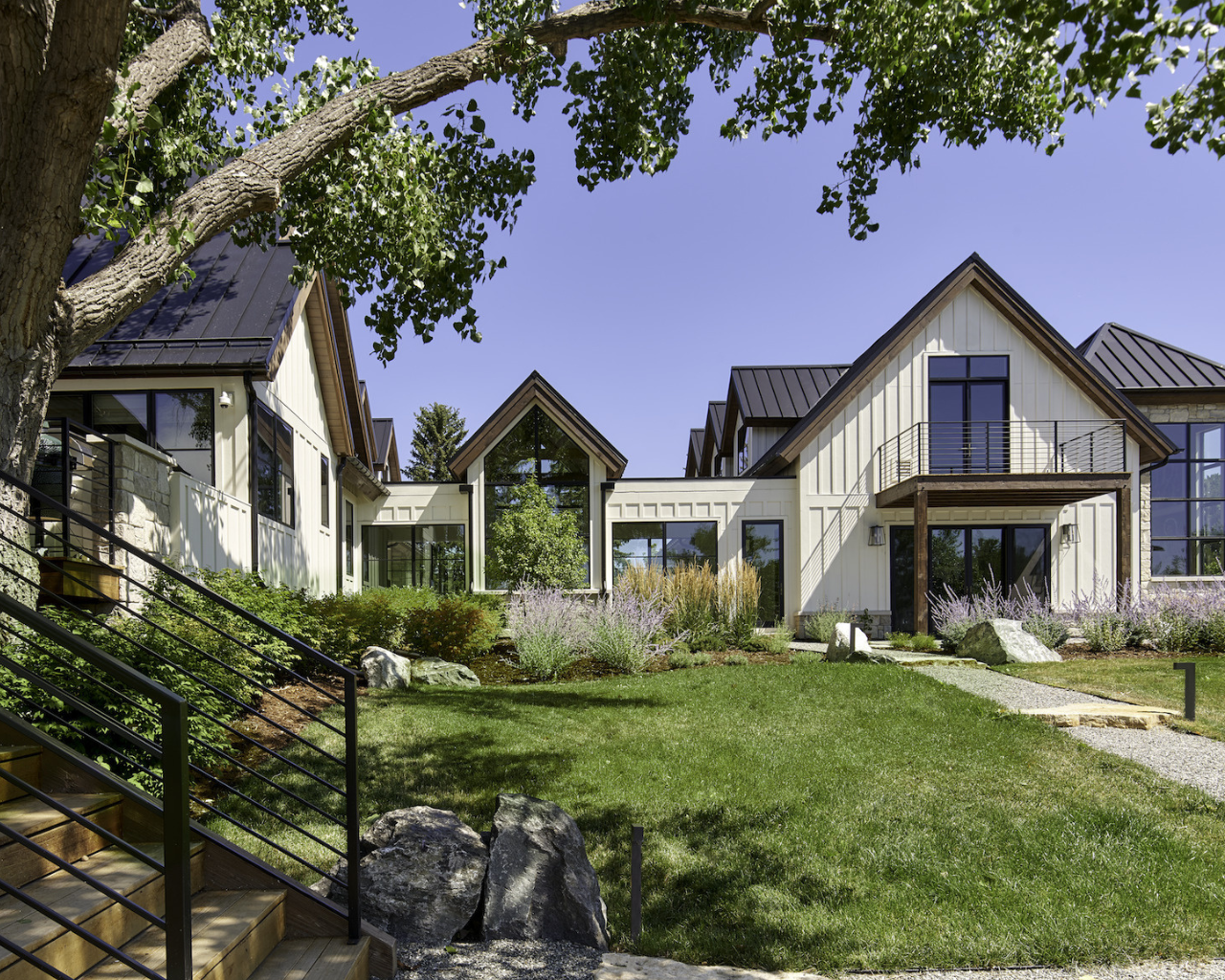
When it comes to what’s actually going in the ground, both designers lean native. Hoogewind’s list of high-performers includes Chokecherry, Serviceberry, Rocky Mountain Penstemon, Blanketflower, Prairie Sage, Sulphur Buckwheat, Yarrow, Hyssop, Golden Currant, and Bee’s Balm. All of these plants require low-water once established and rich in habitat value. Her personal favorite for early-season color: the Pasque Flower. Garland favors ornamental grasses, spireas, tickseed, and lavender, along with early bloomers like Bloomerang Lilac, which flowers twice in a season, and Viburnums.
Small Changes, Big Impact
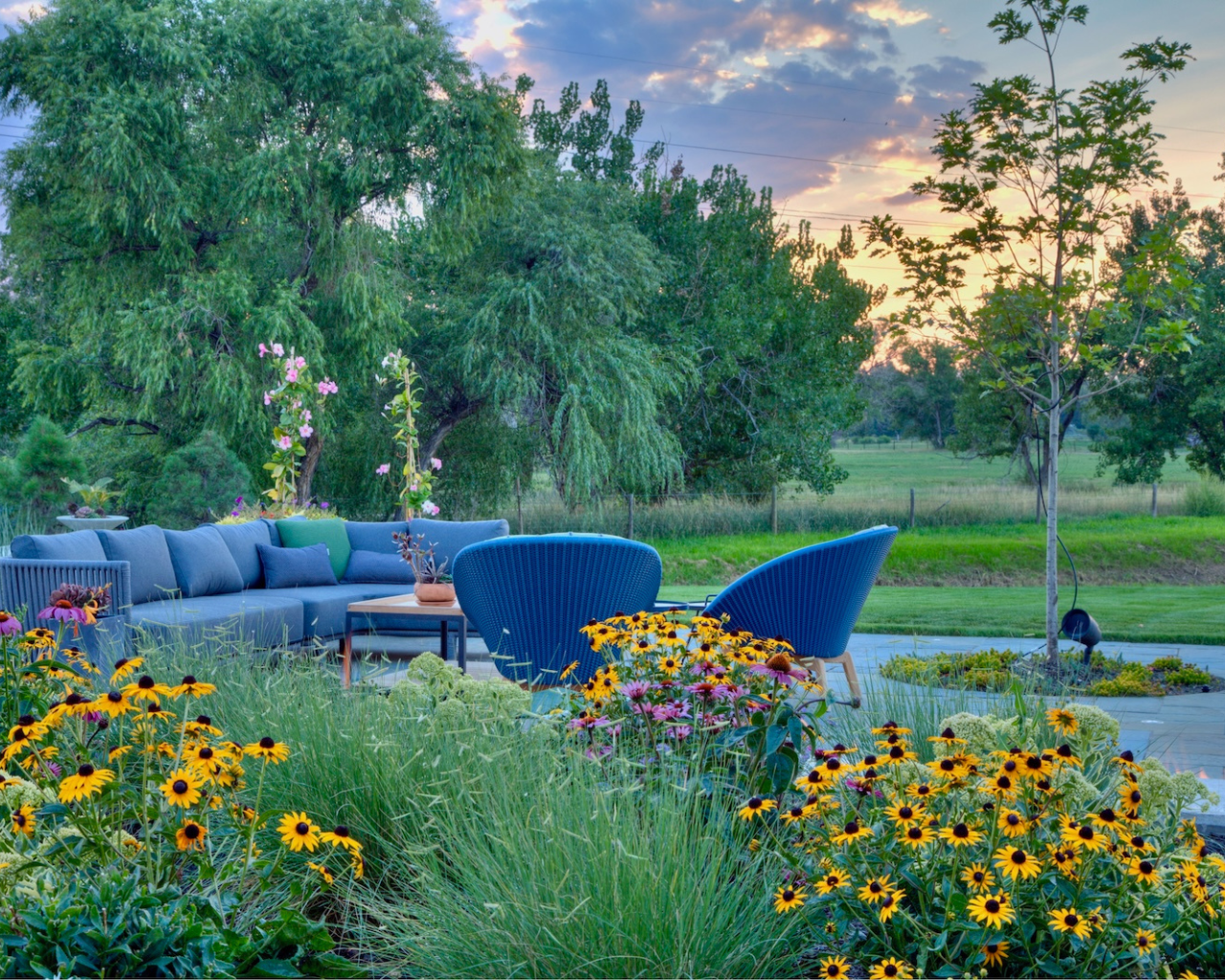
Not every spring refresh requires a full redesign. Hoogewind suggests swapping out a section of traditional lawn for premium synthetic turf. Today’s options are far more realistic than the versions from a decade ago, with custom thatching and color profiles, or replacing broad expanses of hardscape with permeable alternatives that handle runoff more gracefully. A few well-placed pollinator-friendly native perennials can also add color and life without committing to a full planting overhaul.
Garland’s advice is even simpler: start with a mix of colorful planters to add immediate vibrancy, and invest in quality patio furniture and outdoor rugs. “Landscape design isn’t just about plants and hardscape,” she says. “Sometimes improving the furniture or decor of your space will inspire you to use it more.”
Thanks to The Scout Guide Boulder for the article!
Tags: