
How to Design Your Backyard Landscape: Step-by-Step Guide
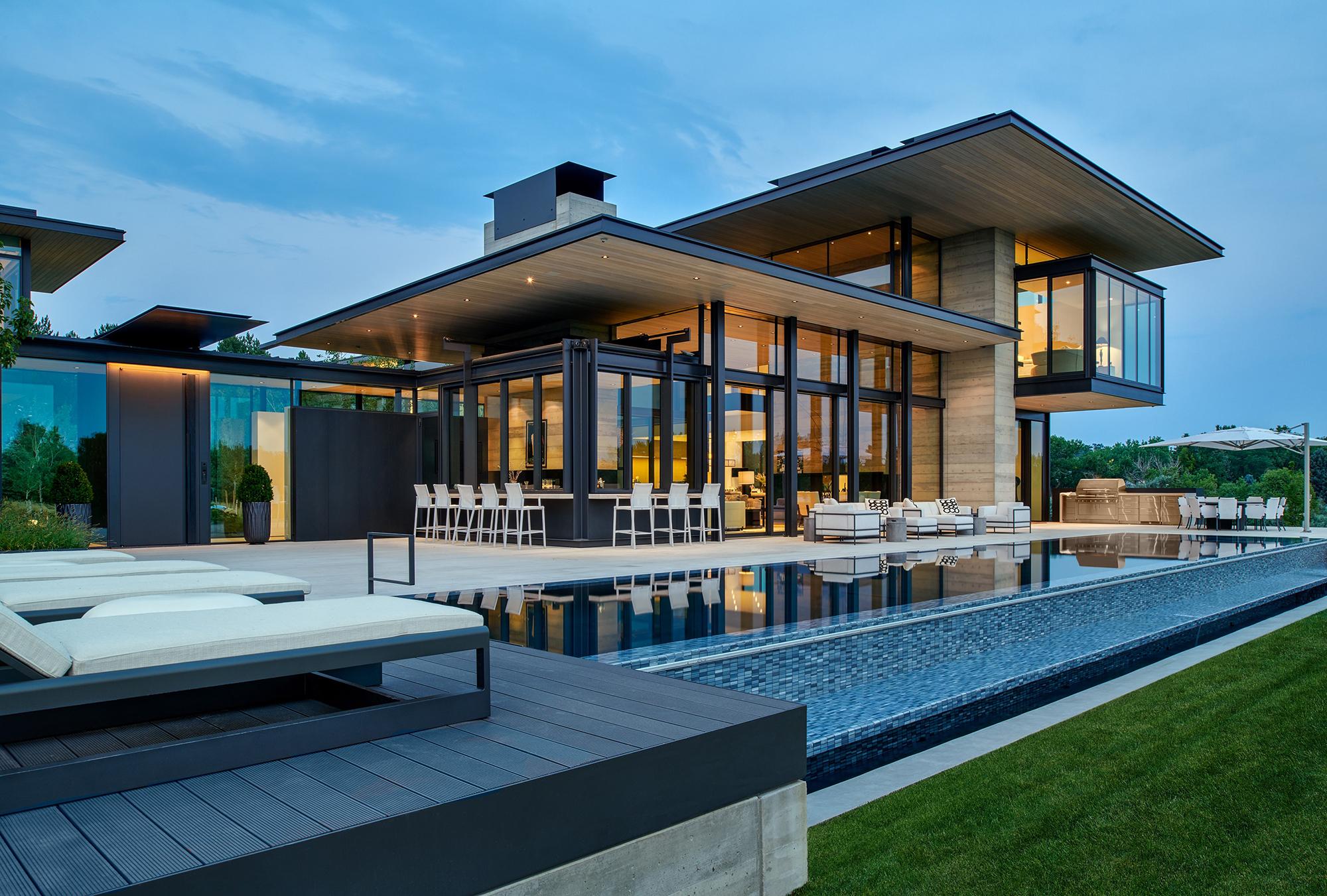
A backyard can photograph beautifully and still feel off when you are living in it. Your patio might get harsh afternoon sun. Your dining area might be too far from the kitchen. You may have lush planting, yet the seating still feels exposed. When you begin learning how to design your backyard landscape well, it is easy to choose features you like without thinking through how you will move, gather, and unwind.
A refined outdoor space usually comes from a calm plan, not a pile of ideas. When your layout makes sense, your materials feel consistent, and your lighting is planned early, the whole yard feels intentional. This guide shows you how to design a backyard landscape with steps you can follow and revisit as you make choices.
Step 1: Determine Your Backyard Needs And Vision
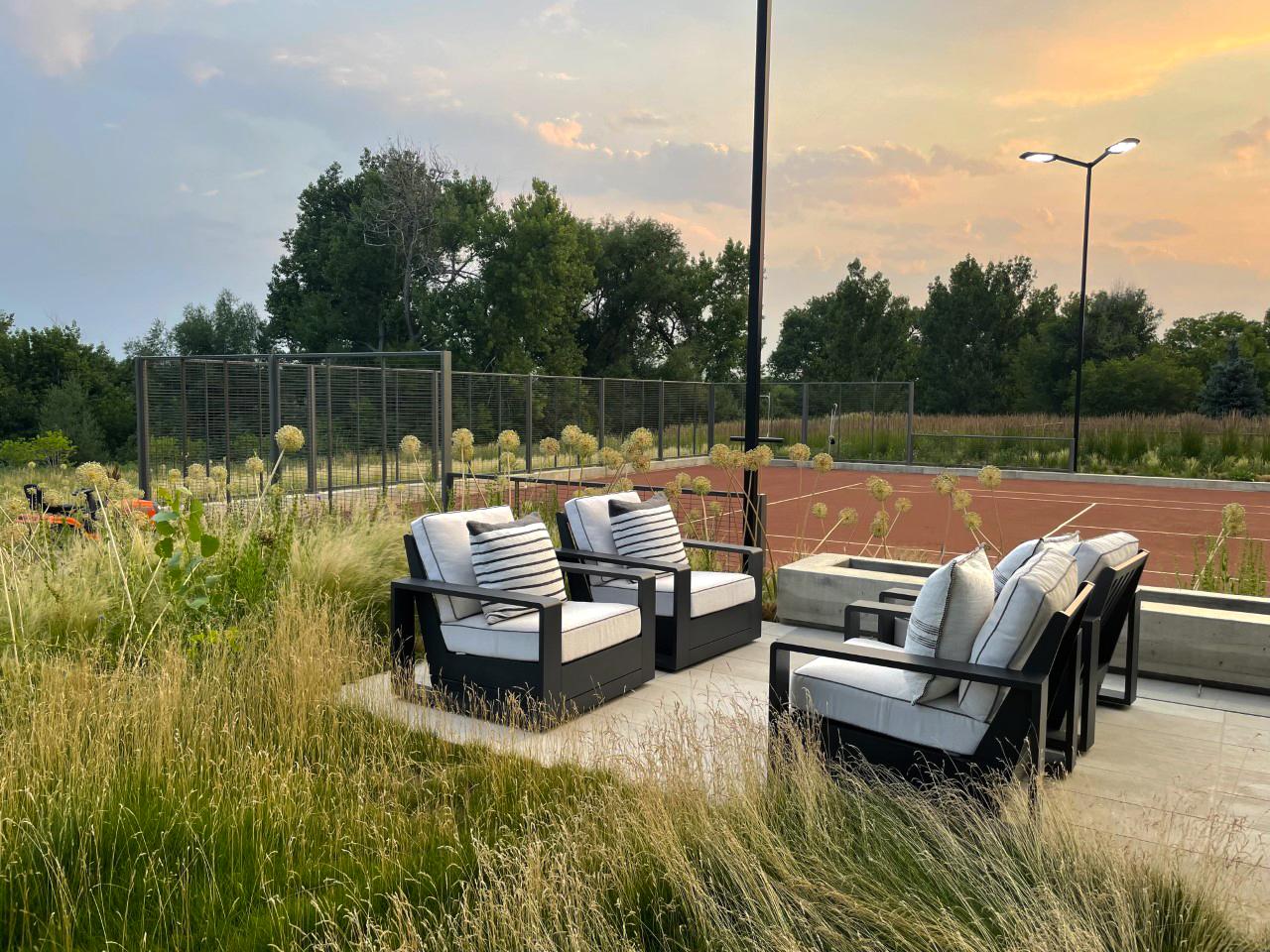
Begin by considering how you want to utilize your outdoor space. The first move in designing your backyard landscape is choosing your priorities before you pick features.
Try a simple exercise. List three moments you want your yard to support. A quiet coffee spot. A dinner table that is easy to serve. A lounge that feels private. Then list what will make it harder to make those moments happen or will take you out of those moments, like glare, noise, or a long walk back to the kitchen.
One of the most useful backyard design tips is a one-sentence vision. Keep it direct. You can measure every choice against it. That is how backyard landscape design stays cohesive.
Step 2: Perform A Space-Site Analysis
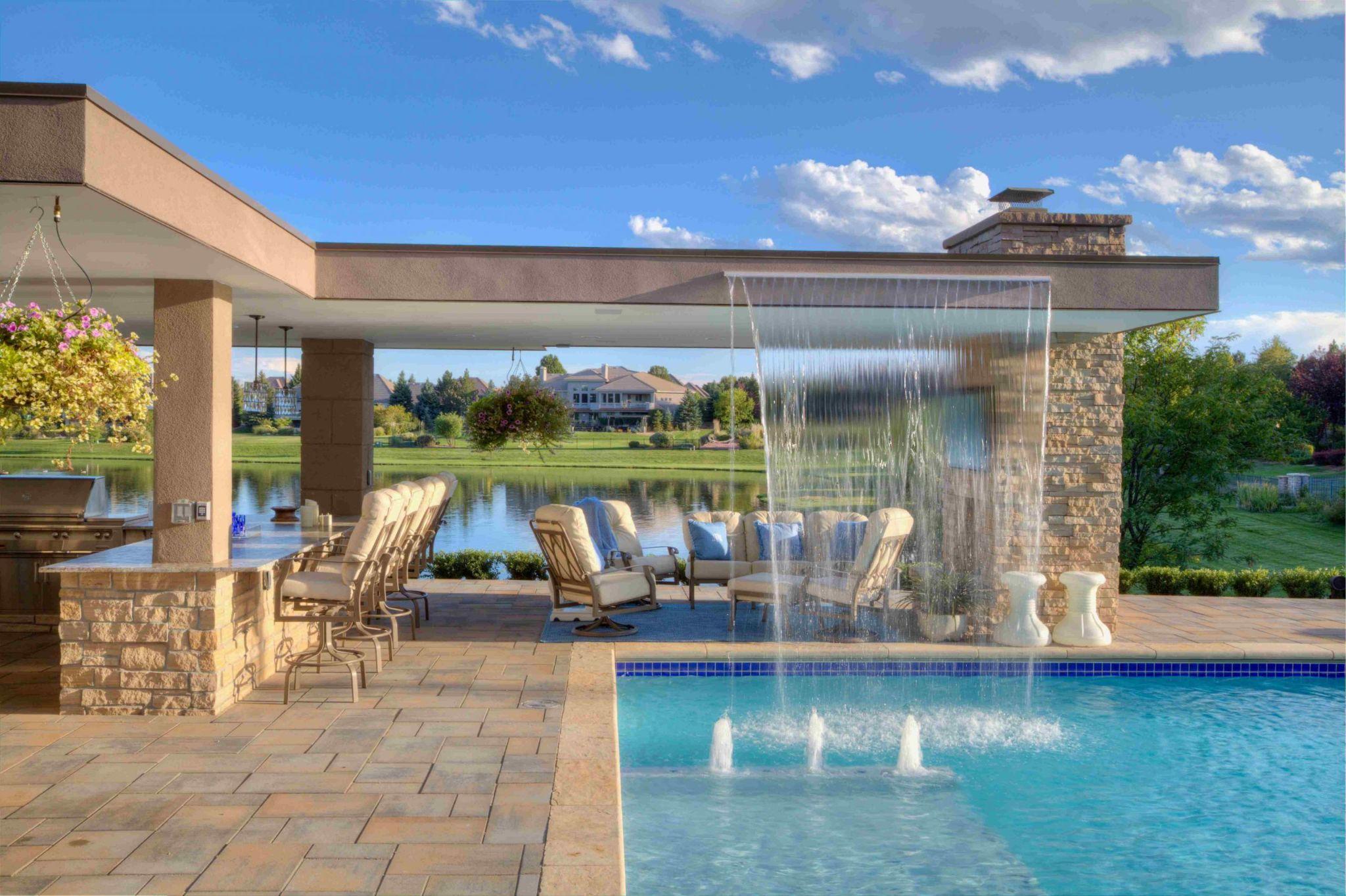
This stage of designing your backyard landscape is about reading the site before you draw the layout. Walk the yard and note what you feel. Heat. Wind. Noise. Shade.
Capture the basics:
• Sun and shade in the morning, midday, and evening
• Drainage after rain and any low spots
• Views you want to keep and views you want to soften
• Trees, slopes, utilities, and access routes
Take photos from inside the house too. In backyard landscape design, the indoor view shapes what feels finished outdoors.
If you expect walls, structures, or major grading, confirm permit needs early. That keeps your landscape design process clear and avoids redesign. If you want a deeper discussion of site factors that shape everything that follows, learn more about site planning for your yard.
Step 3: Create A Functional Layout, Zones, And Flow
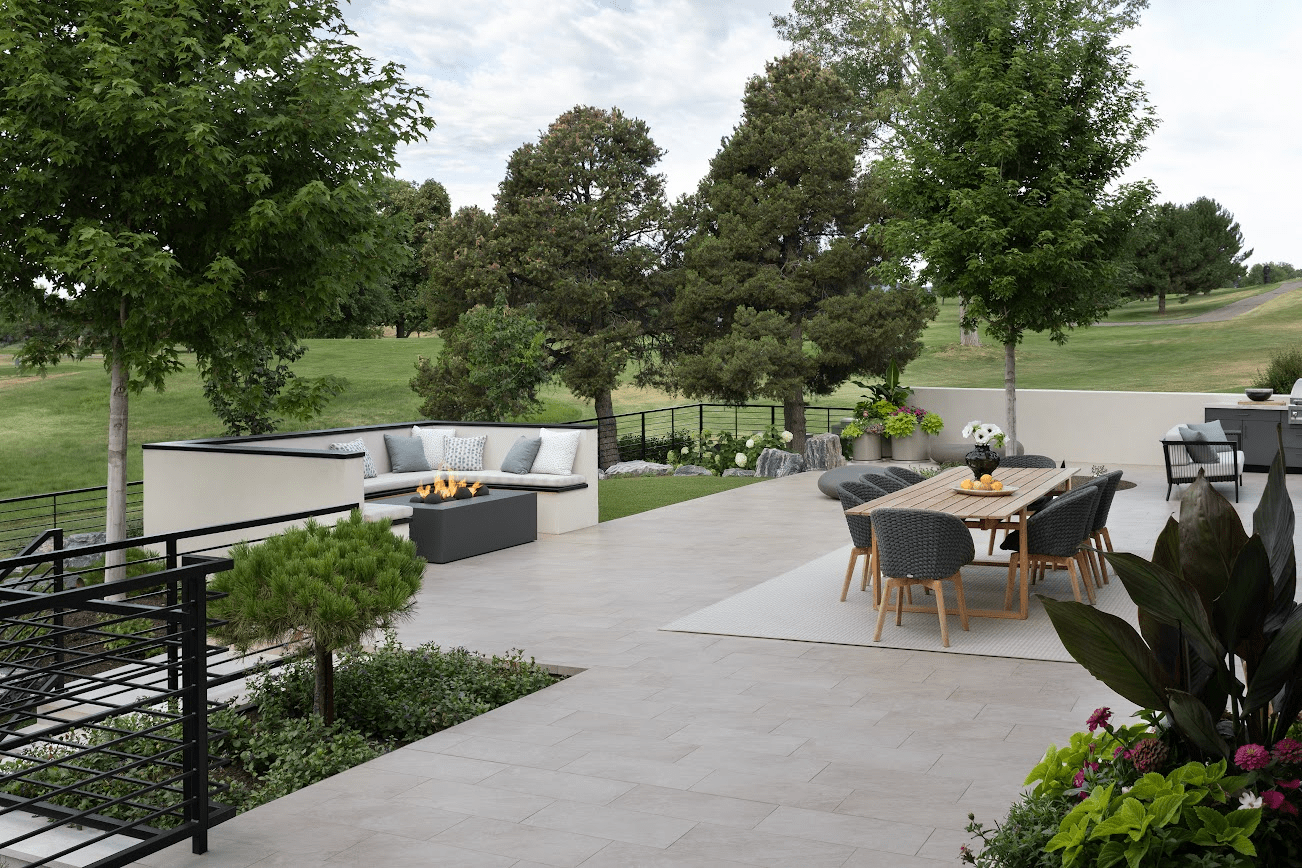
Now you are ready for a how-to plan for your backyard layout that feels natural. Think of your yard as outdoor rooms. Then connect them with simple movement. This is the backbone of your backyard landscape design.
Start with four zones:
- Arrival, where you step outside
- Daily living, near the home
- Retreat, a quieter corner
- Support, storage, and utilities
Keep the daily living zone close to the house. That makes the yard easy to use on ordinary days. Put the retreat zone where privacy and view feel best. In designing your backyard landscape, distance is a tool. Close for convenience. Farther for quiet.
Paths should feel obvious. Make them wide enough for two people. Plan turns where you naturally slow down, like near seating or steps. If you want more detail on how outdoor rooms connect, learn more about backyard layout planning.
Step 4: Choose Your Hardscape Features
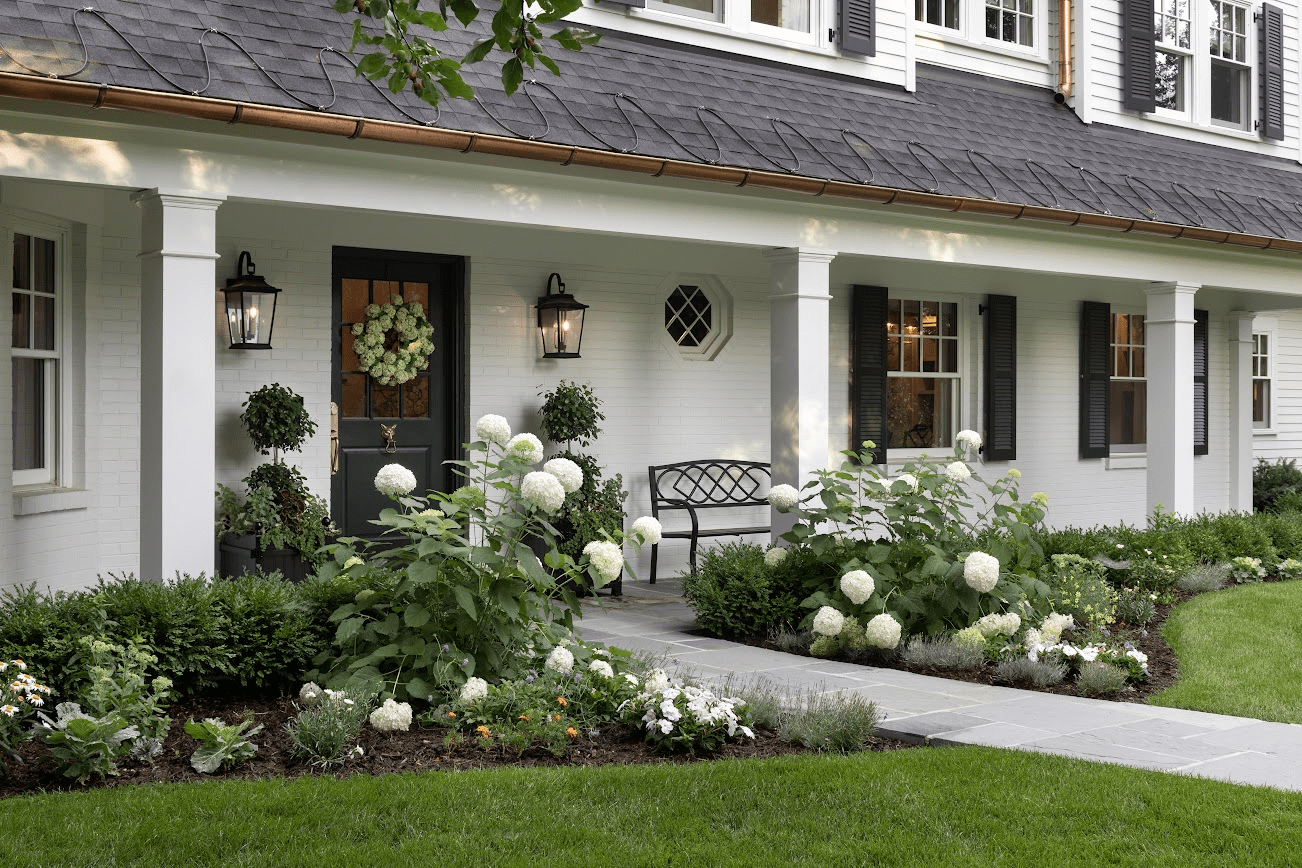
Hardscape gives structure to designing your backyard landscape. It defines where you sit, where you walk, and how the space feels framed.
Choose hardscape that supports your zones:
• Patio for dining and lounging
• Walkways between zones
• Steps that feel wide and steady
• Seat walls that add function
• Retaining where slopes need support
• Pergola or pavilion for shade
Keep your materials consistent. Two main surfaces plus one accent bring a sense of calm. Repeating finishes helps your backyard landscape design feel intentional.
Think about touch points. Where feet land. Where you set a drink. Those small details are where a plan gets polished. If you want to explore patios, walls, and outdoor structures in more depth, explore hardscape and outdoor structure options.
Step 5: Select Plants And Softscape Elements
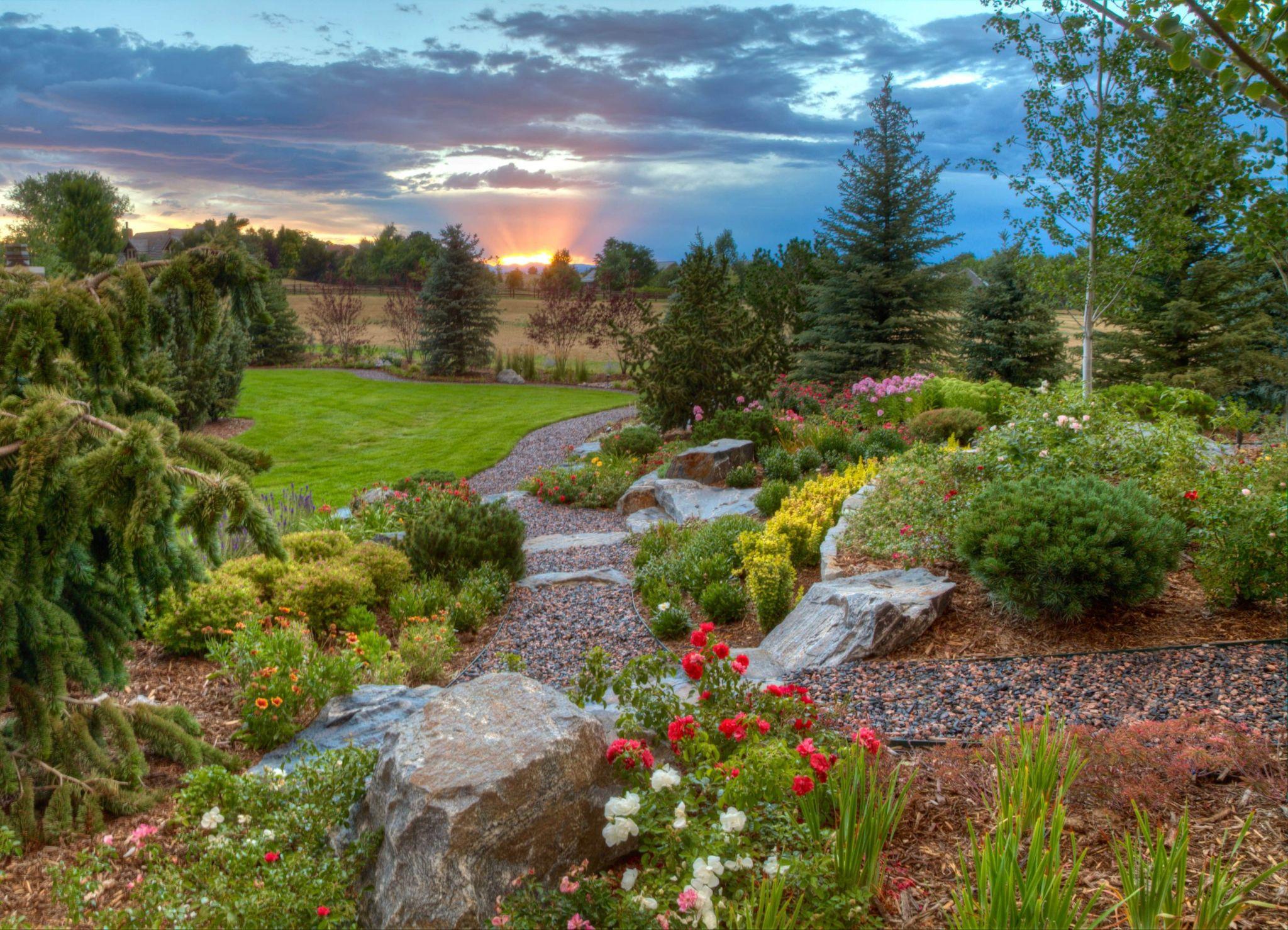
Planting is where designing your backyard landscape starts to feel welcoming. Plants bring privacy, shade, softness, and seasonal interest.
Start with structure:
• Evergreens for screening
• Small trees for the canopy
• Shrubs to frame patios and paths
Then add interest with a few repeated accents, like flowering perennials or grasses. The best backyard landscape design accounts for mature size. Space plants so they can grow without constant pruning.
Planting should also support how you sit and move. Keep messy plants away from paths. Place fragrance near seating. Use layered heights to soften walls and edges. Repeating a few plant varieties across zones helps you design a backyard landscape that reads as calm, not busy.
Step 6: Plan For Lighting And Ambiance
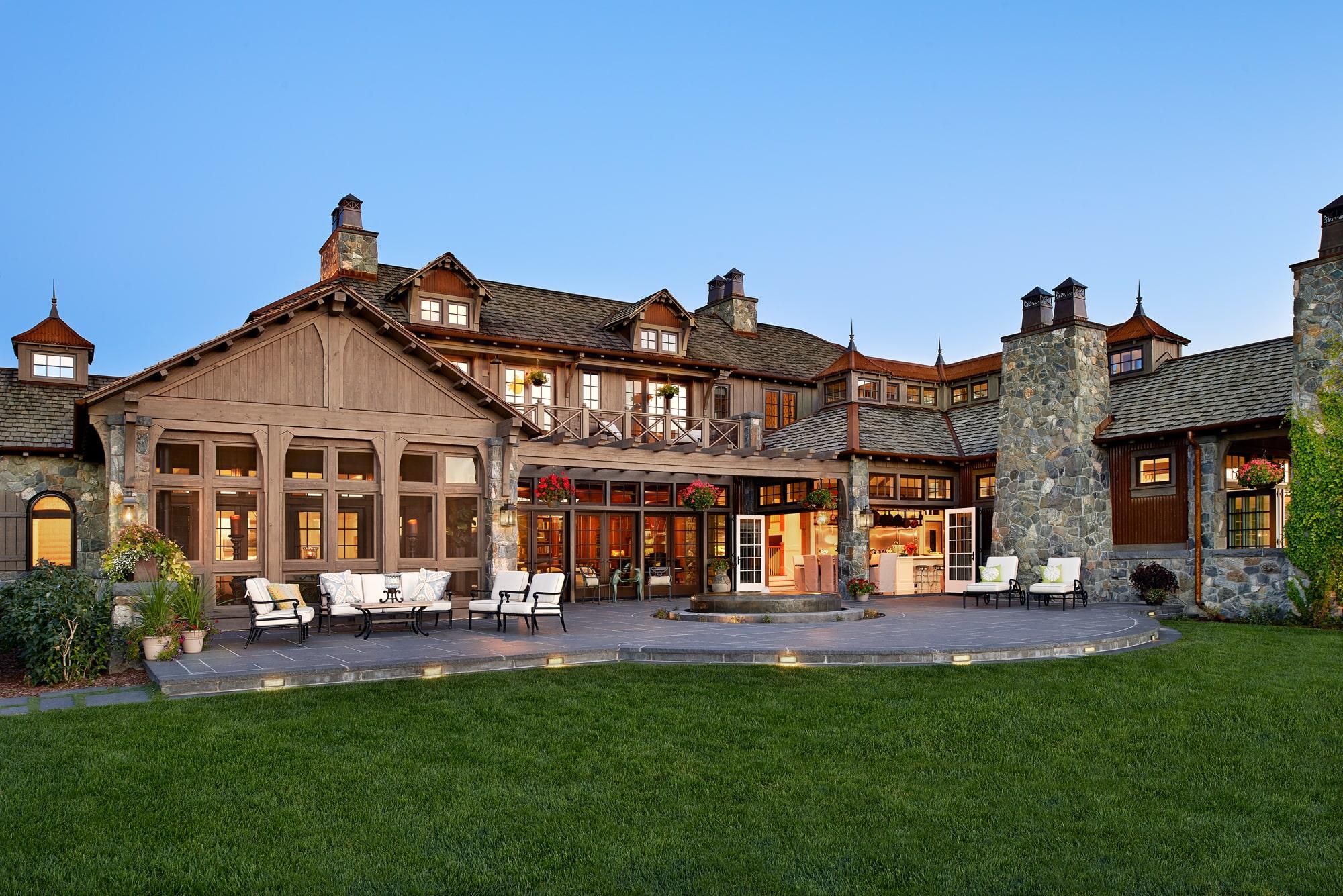
Lighting belongs in the plan early. While designing your backyard landscape, timing keeps wiring and fixture placement clean.
Use three layers:
• Path lighting for safety
• Accent lighting for trees and texture
• Task lighting for dining and cooking
Avoid glare. Aim for a soft glow that guides you. Balanced lighting makes backyard landscape design feel warm after dark.
Ambiance comes from comfort details too. Consider discreet heat near seating. Consider outdoor audio that feels even across the patio. Consider water sound if street noise is an issue. Paying attention to these choices teaches you how to create an outdoor living space you can feel right at home in. If you want to set a proper evening mood for your outdoors, explore backyard lighting ideas for evening use.
Step 7: Consider Maintenance And Sustainability
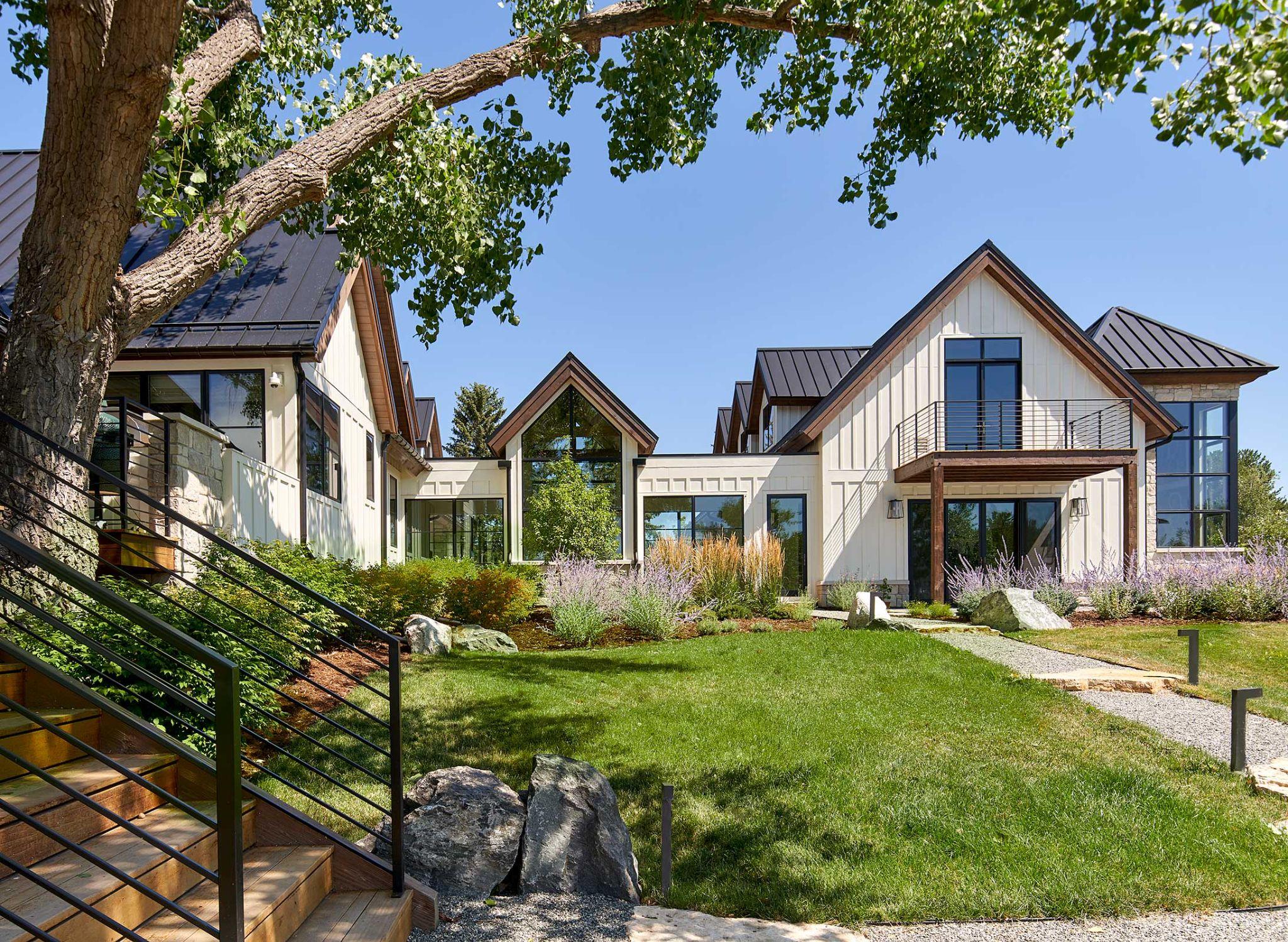
A polished yard should be easy to live with. This step of designing your backyard landscape is about choices that stay attractive with reasonable care.
Support that goal with:
- Durable paving and solid base prep
- Irrigation zones that match plant needs
- Groundcovers or mulch to reduce weeds
- Climate-adapted plants in key areas
- Drainage that moves water away from structures
Drainage is a quiet detail that protects everything. Although it is not a direct component of backyard landscape design, it is a part of long-term performance.
Also, plan access. Can you reach the beds to prune? Can you rinse surfaces? Can service work happen without cutting through your main lounge zone? When you design your backyard landscape with access in mind, the space stays composed year after year.
Step 8: Finalize Your Design Plan
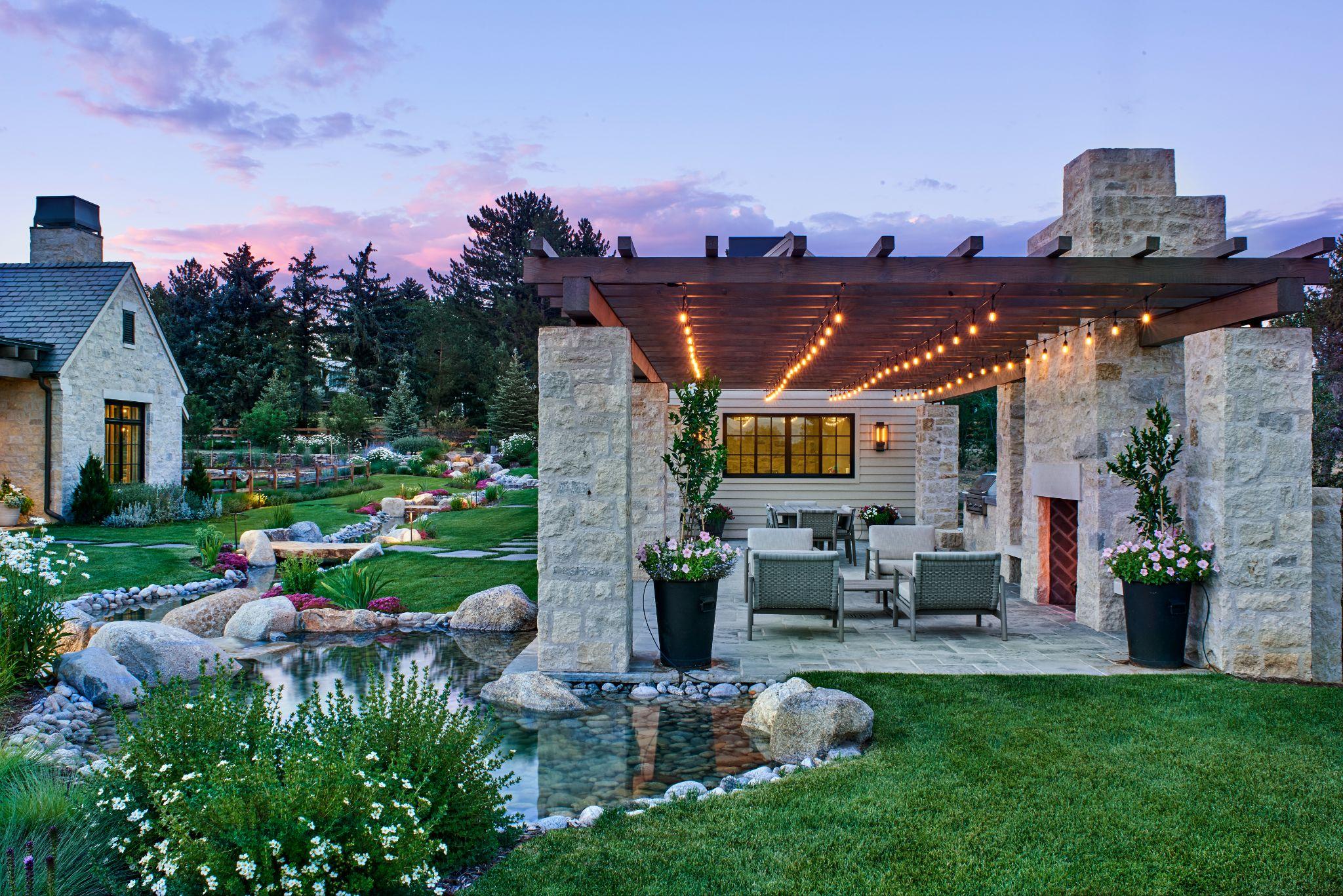
Once your ideas align, pull them into one plan. This is what people mean by a custom how-to-design-a-landscape plan that is ready for construction.
Include:
• A scaled layout with dimensions
• Material selections
• Plant list and sizes
• Lighting plan
• Notes for grading and drainage
• A build sequence if you plan phases
Now decide how the project will be managed. If you work with a firm, look for complete support, from permitting through maintenance planning. Look for communication that is proactive, with regular updates so you are not chasing answers. It also helps when in-house specialists coordinate details across hardscape, planting, and lighting.
Before you move forward, ask one question. Does your plan clearly show you how to design your backyard landscape for the way you live outside?
Step 9: Build With Professional Help Or DIY Carefully
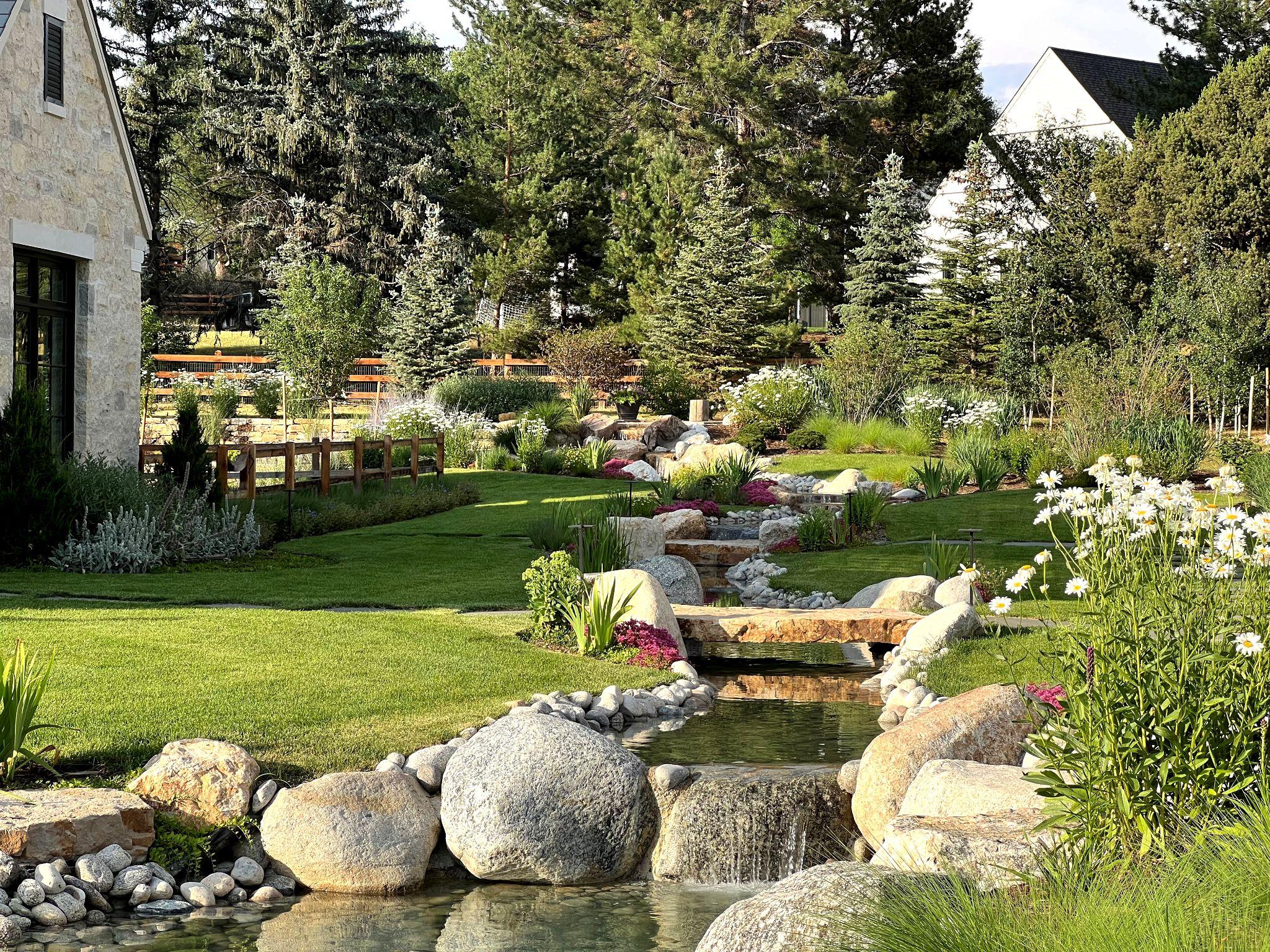
Construction is where details matter. In designing your backyard landscape, it helps to think ahead about who is coordinating the build.
If you hire help, look for:
- Clear scope and schedule
- A dedicated project manager
- Regular progress updates
- Strong site protection for your home
- A written approach for fixing issues if they arise
If you DIY parts, choose low-risk items first, like containers or small planting areas. Be cautious with base prep, drainage, and structural work. Those choices affect how long the space stays level and safe.
Step 10: Enjoy Your New Outdoor Oasis And Keep It Beautiful
The last step is using the space. While designing your backyard landscape, plan the finishing layer too. Furniture. Shade. Storage. A simple routine.
Set up your zones with intention:
• Furniture scaled to the area
• Shade where you sit longest
• Lighting that feels warm, not harsh
• Planters near doors for a finished entry
If your goal is learning how to create a backyard oasis that feels calm and inviting, focus on comfort and privacy. Layered screening and thoughtful seating can change how the whole yard feels.
Keep it looking sharp with a light routine. Sweep surfaces, rinse cooking areas, trim for sight lines, and check lighting.
Your Next Steps For A Confident Plan
When you follow these steps, designing your backyard landscape feels clear. You start with how you live. You read the site. You set zones and flow. You choose structure first, then soften with planting. You add lighting and plan upkeep so the space stays refined.
If you want a partner who manages the full process with clear communication, the experience can feel easy from day one through long-term care.
Ready to take the next step? Book a consultation today!
Summary
Designing a functional and beautiful backyard requires a calm, intentional plan, not just a collection of features. The process begins with defining your needs and vision, listing the moments you want the space to support, and creating a one-sentence goal for cohesion. Next, you must analyze the site itself, noting sun, shade, drainage, and views, and confirming any permit needs early. The core of the design is creating a functional layout by dividing the yard into ‘outdoor rooms’ or zones (arrival, daily living, retreat, and support) and connecting them with obvious, wide paths. Structure comes from hardscape features like patios and walkways, which should use consistent materials. Finally, planting adds softness, privacy, and seasonal interest, focusing on mature size and function, while lighting is planned early to ensure safety and ambiance after dark.
The final steps focus on practical execution and enjoyment. You should consider maintenance and sustainability early on, ensuring durable materials, good drainage, and climate-adapted plants for a yard that stays attractive with minimal effort. All these ideas are then formalized into a complete design plan, ready for construction with a clear scope and management. The article concludes by reminding the designer to furnish the space intentionally, prioritizing comfort and privacy to truly create an outdoor oasis, and to maintain a simple routine to keep the space looking sharp year after year.
Tags: