
A Guide to Landscape Construction for Outdoor Living Spaces
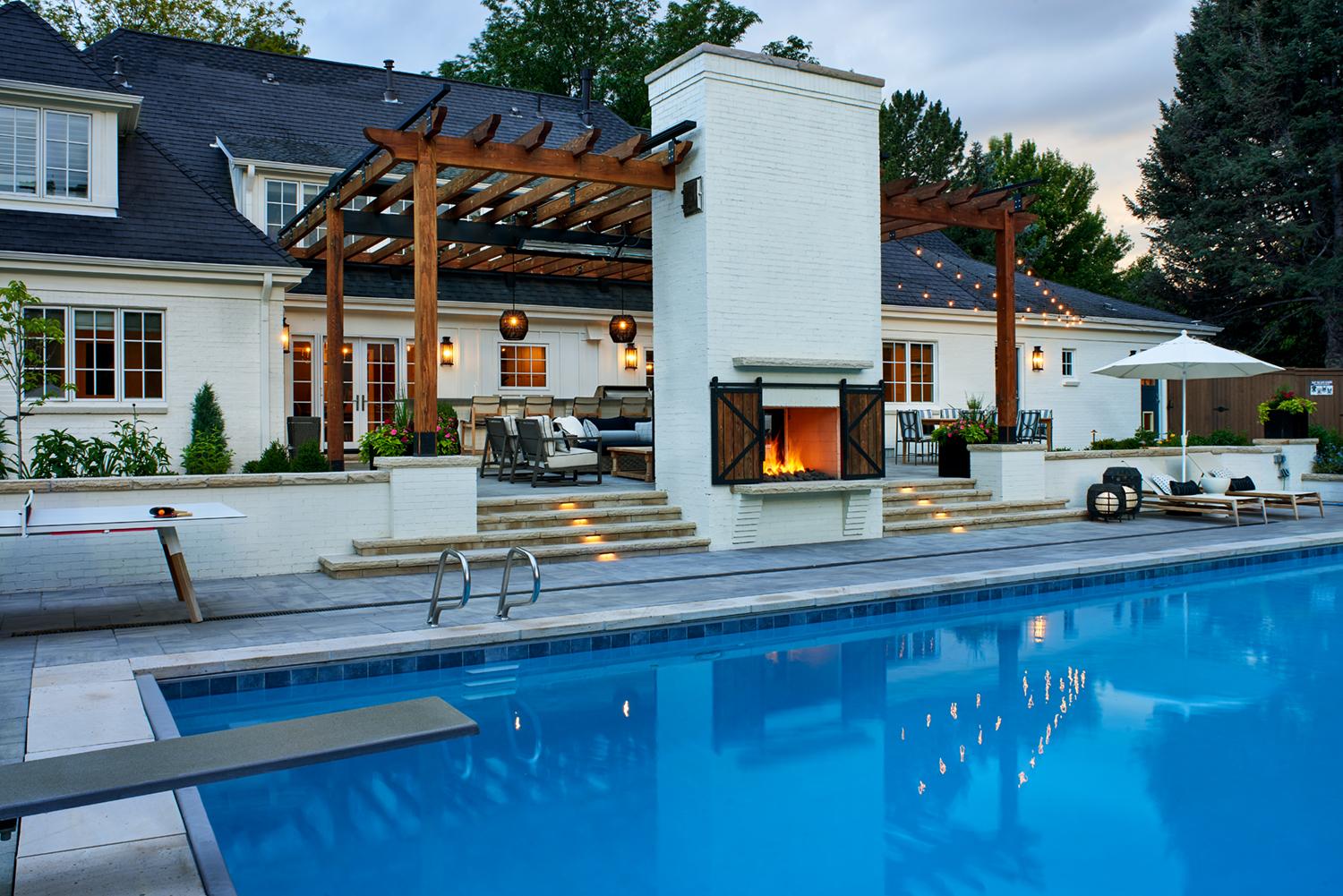
Your backyard holds potential that goes far beyond lawn and garden beds. You envision gathering spaces, comfortable seating areas, fire features, and pathways that connect them all. Yet turning that vision into reality involves more than selecting materials and hiring a crew. Without proper planning, structural integrity, and coordination, outdoor projects can become sources of stress rather than satisfaction.
Many homeowners face frustration when projects drag on, communication falls silent, or the finished result doesn’t match expectations. The gap between what you imagined and what gets built often comes down to how the work is managed and executed.
Landscape construction offers a solution when approached as a complete system. When every element works together from the start, when communication flows freely, and when experienced professionals guide the process, your outdoor space becomes an extension of your home that you’ll enjoy for decades.
What Landscape Construction Includes for Residential Properties
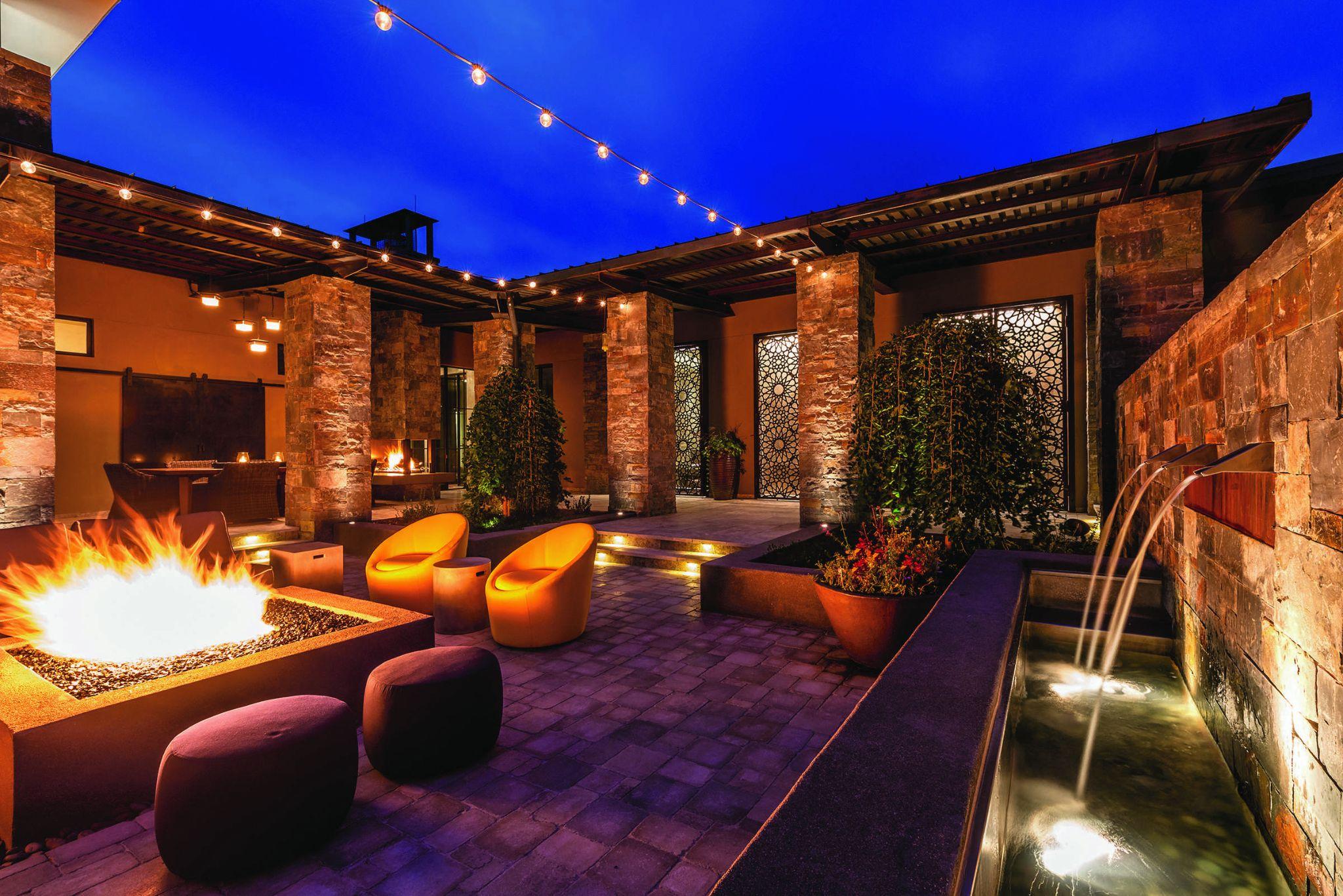
Landscape construction encompasses the physical building of outdoor environments. It goes beyond planting trees or laying sod. You’re creating permanent structures and systems that support how you use your property. The scope typically includes grading and drainage solutions that prevent water issues. Hardscape design forms the foundation, incorporating materials like stone, concrete, and pavers into functional elements. Retaining walls for residential landscapes manage elevation changes while adding visual interest. Pathways guide movement through your space. Patios create defined areas for furniture and activities.
Outdoor structures for backyards add another layer. Pergolas provide shade and architectural definition. Pavilions offer weather protection. Outdoor kitchens expand your entertaining capabilities. Fire features become gathering points during cooler months. Lighting, irrigation, and drainage systems run beneath the visible surfaces. These hidden components ensure your space functions properly year-round. Landscape construction addresses both what you see and what supports it behind the scenes.
Material selection plays a significant role in how your space ages. For example, natural stone weathers beautifully but requires specific installation techniques, concrete pavers offer consistency and come in numerous styles, and wood structures need proper treatment and maintenance planning. Your property’s unique characteristics influence every decision, as well. Soil conditions affect foundation requirements. Sun exposure determines plant selection and comfort in seating areas. Existing trees may need protection during construction. Slopes require engineering solutions.
The residential landscape construction process brings all these elements together in a logical sequence. Each phase builds on the previous work, creating a cohesive outdoor environment that matches your lifestyle.
How Outdoor Living Spaces Are Planned as One System
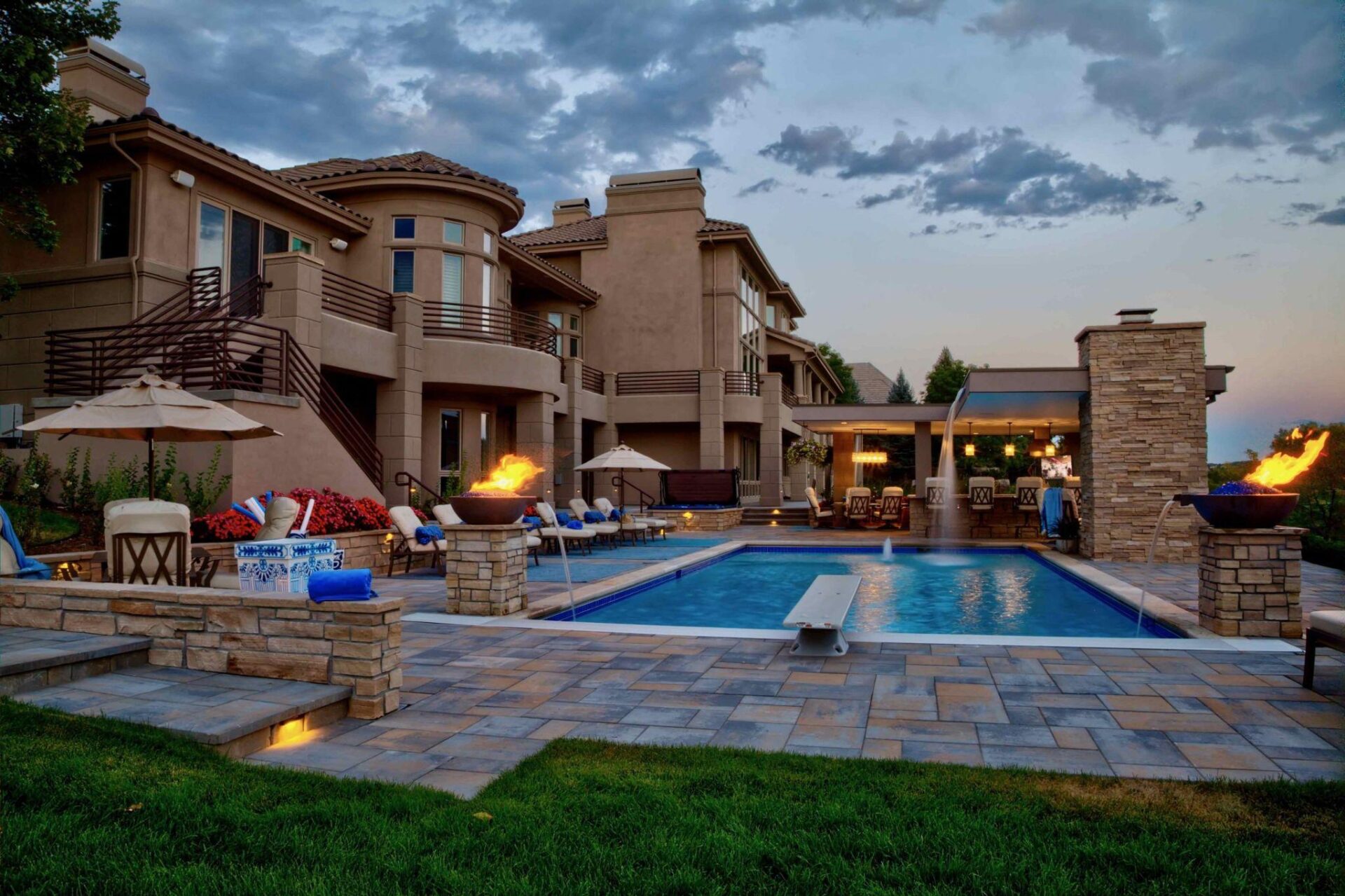
Successful outdoor living space design starts with understanding how you’ll actually use your property. You might want separate zones for dining, relaxation, and play. Or you might prefer one flexible area that adapts to different needs. Either way, planning these spaces as connected parts of a whole system prevents disconnected results.
The process begins with site analysis. Professionals evaluate your property’s topography, drainage patterns, sun exposure, and views. They note where wind typically comes from and where privacy needs exist. This information shapes every subsequent decision. Your input guides the functional layout. How many people do you typically entertain? Do you cook outdoors frequently? Do children or pets require consideration? Will you maintain the space yourself or hire ongoing care?
Hardscape design establishes the bones of your outdoor room. These permanent elements create a structure that plants and furnishings fill in around. Pathways connect different areas while managing foot traffic. Walls define boundaries and create level terraces on sloped sites. Material palettes get established early. Your home’s architecture influences these choices. A modern house pairs well with clean-lined pavers and steel accents. Traditional homes often call for natural stone and classic wood structures. The materials you select should feel like natural extensions of your indoor spaces.
Utility placement happens during planning, not as an afterthought. Electrical lines need to reach lighting fixtures and outlets. Water lines serve irrigation zones and outdoor sinks. Gas lines may feed fire features or grills. Drainage systems direct water away from structures and seating areas. Landscape construction planning also considers seasonal changes. Deciduous trees provide summer shade but allow winter sun. Evergreens offer year-round privacy. Hardscape materials should handle freeze-thaw cycles in colder climates. The goal is to create flow between all elements. When you move from your back door to a patio, then along a path to a fire pit area, each transition should feel intentional. Sightlines matter too. What do you see from inside your home? What views do you want to highlight or screen? This systematic approach to outdoor living space design ensures nothing gets overlooked. You end up with a cohesive environment rather than a collection of unrelated features.
Patios and Walkways as the Backbone of Outdoor Use
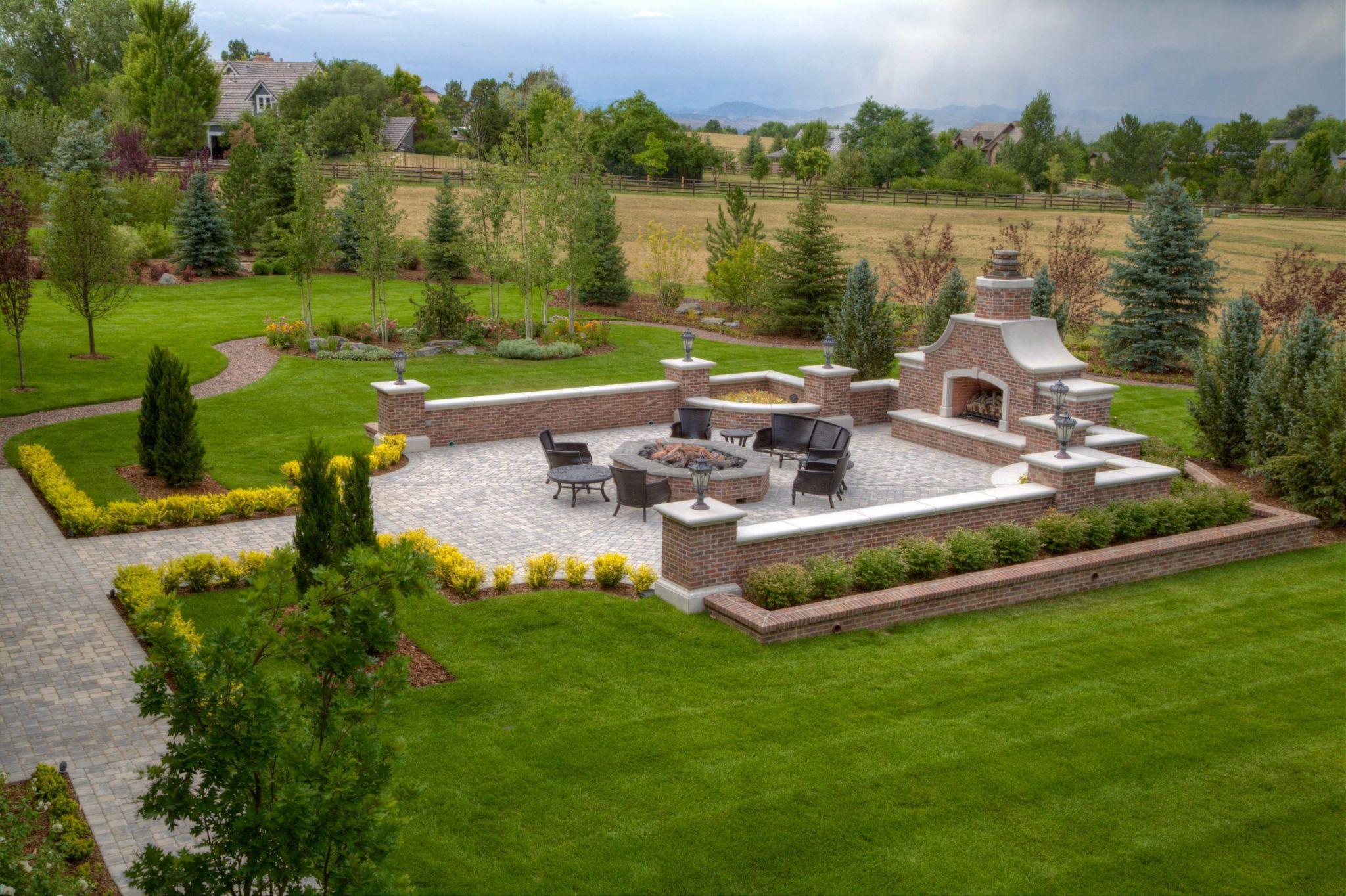
Your patio serves as a kind of central outdoor room for your back yard. It’s where furniture lives, where meals happen, and where you’ll likely spend the most time in your yard. Getting this element right affects your satisfaction with the entire space.
Patio and walkway design ideas start with sizing. A common mistake is building patios too small for their intended use. A dining table for six needs roughly 12 by 12 feet, plus circulation space. Add seating areas, and requirements grow quickly. Professionals help you calculate appropriate dimensions based on your furniture and activities.
Shape influences how the space feels. Rectangular patios offer classic appeal and efficient furniture placement. Curved edges soften the look and can follow your home’s contours. Multi-level patios work well on sloped properties, creating distinct zones at different elevations. Material choices for patios affect both appearance and function. Natural stone, like bluestone or limestone, offers timeless beauty and stays relatively cool underfoot. Porcelain pavers provide consistent color and low maintenance. Concrete can be stamped, stained, or left with a clean modern finish. Each option has different installation requirements and longevity characteristics.
The foundation beneath your patio determines its lifespan. Proper base preparation prevents settling and cracking. This involves excavating to the appropriate depth, adding compacted gravel layers, and ensuring positive drainage. Shortcuts here lead to problems within a few years. Walkways connect your patio to other areas. Patio and walkway design ideas should consider the width for comfortable passage. A primary path needs at least four feet to allow two people to walk side by side. Secondary paths can be narrower. Walkway materials often match or complement patio selections. Using the same stone creates visual continuity. Mixing materials, like combining pavers with gravel borders, adds texture and interest. Edging keeps walkway materials in place and creates clean lines; it should be functional first, attractive second.
Landscape construction of patios and walkways requires attention to grades and slopes. Surfaces need slight pitches to shed water, typically one percent grade away from structures. Standing water leads to ice in winter, staining, and premature deterioration. Lighting along walkways provides safety after dark. Low-voltage LED fixtures offer energy efficiency and long life. Placing these features every six to eight feet creates adequate illumination without over-lighting.
These foundational elements of hardscape design literally support everything else in your outdoor space. When built correctly, they require minimal maintenance and serve you for decades. If you’re considering adding or upgrading your patio and walkway systems, exploring professional hardscape services can help you understand the full range of possibilities for your property.
Retaining Walls and Structural Planning Explained
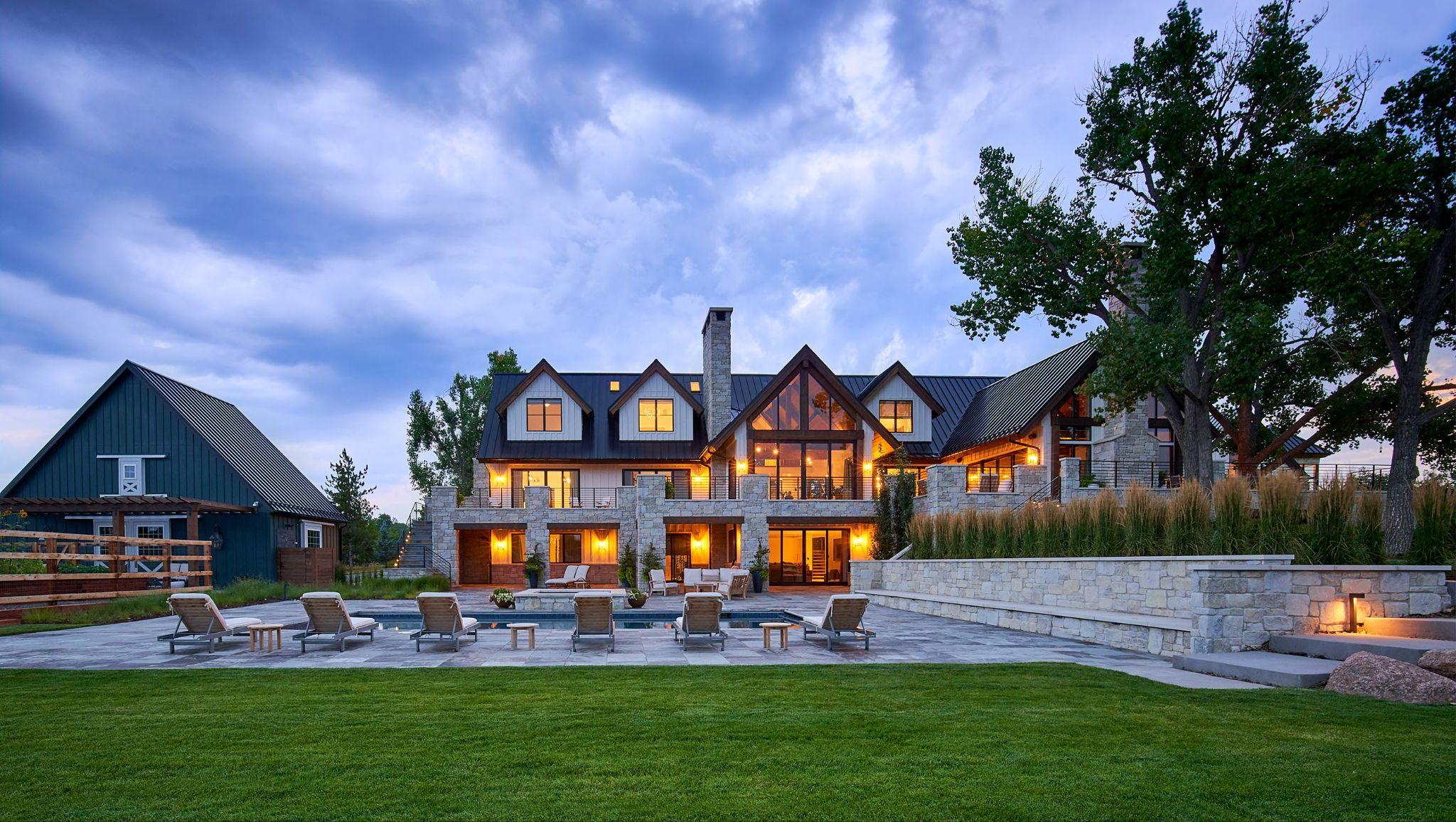
Properties with elevation changes require engineered solutions. Retaining walls hold back soil, create level areas, and add architectural interest, serving both functional and aesthetic needs.
Wall height determines complexity. For example, walls under three or four feet often use modular block systems. These interlocking units provide strength through their design and proper installation. Taller walls may require engineering stamps, concrete footings, and drainage systems. When you work with landscape construction professionals, they’ll assess soil conditions before wall placement to ensure your get the best experience. They may look for expansive clays, high water tables, and loose fill, which all affect design requirements. Poor soil may need removal and replacement with engineered fill. Drainage behind retaining walls is critical because water pressure builds up when soil becomes saturated. Without relief, walls can fail. Proper installation includes a drainage pipe at the base, gravel backfill, and sometimes drain outlets through the wall face.
Wall materials range from natural stone to manufactured blocks to poured concrete. Natural stone walls, either dry-stacked or mortared, offer organic beauty that ages gracefully. They require skilled masons and tend to be more expensive, while modular blocks come in various colors and textures, providing consistent results at a lower expense. If you’re looking for something in the middle of it all, poured concrete walls with stone or brick veneers combine structural strength with attractive facades.
Retaining walls for residential landscapes can incorporate seating as well. Cap stones wide enough to sit on add function. Built-in planters soften the look and provide growing space for cascading plants. Lighting highlights wall texture and improves safety on elevation changes. Fixtures mounted at the base wash light up the wall face. Cap lights illuminate the top edge.
The residential landscape construction process sequences wall building early. These structures need completion before final grading and planting. Access for equipment is easier before other features are in place. Proper wall construction involves precise leveling, adequate base preparation, and correct backfill techniques. Each course must be level and properly set back for stability. Corners and curves require special attention. When retaining walls are well-planned and executed, they look like natural parts of your property. They solve practical problems while enhancing the overall design.
Outdoor Structures That Add Comfort and Definition
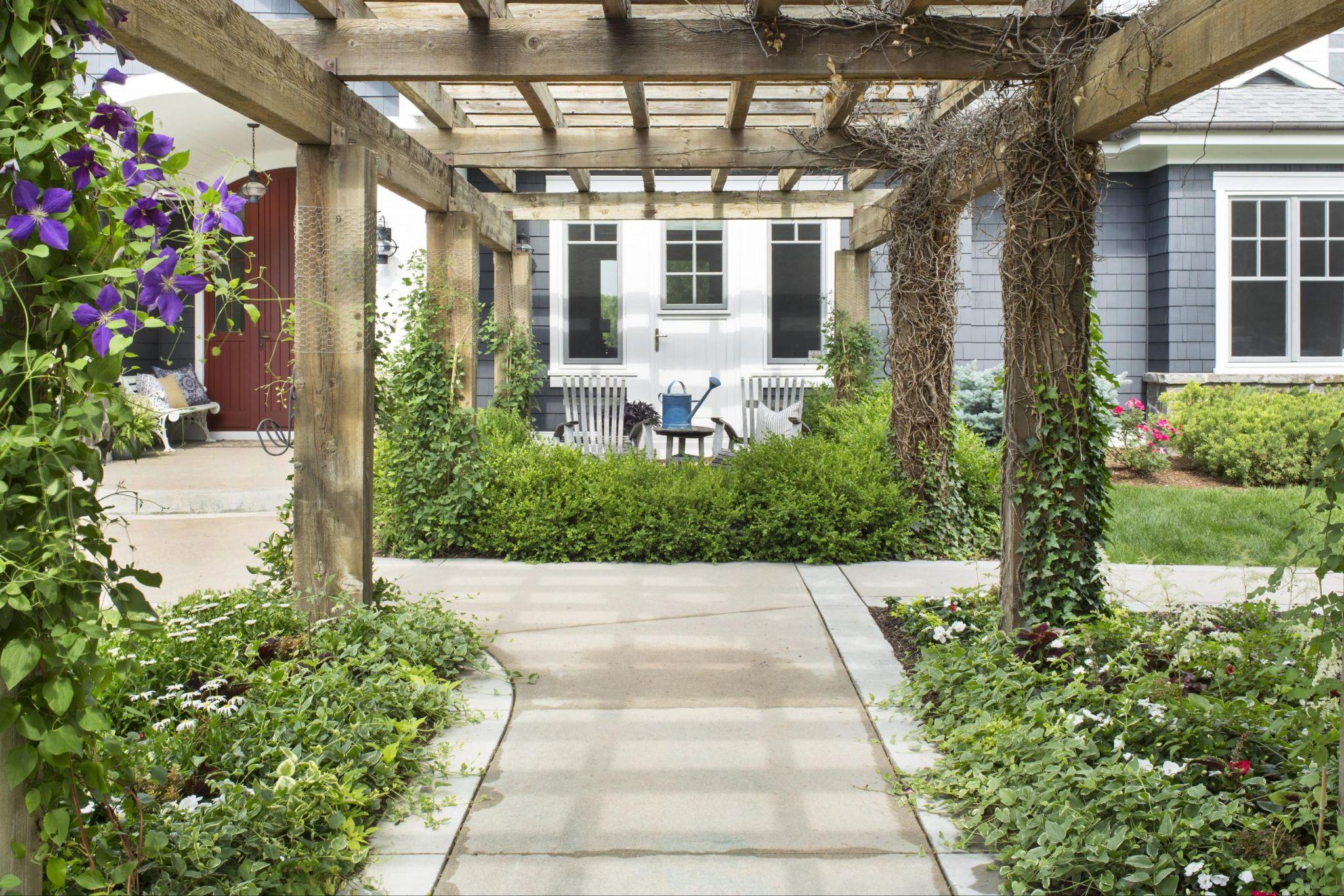
Outdoor structures extend your living space and create focal points. They provide shade, shelter, and architectural interest that transform how you use your property.
Pergolas offer partial shade through their open roof design. You can train vines over them for additional coverage, or add retractable canopies for adjustable protection. These structures work well over patios, defining the space without enclosing it. Your material options include wood, vinyl, aluminum, and fiberglass. Wood provides warmth and traditional appeal but needs maintenance while manufactured materials offer durability with less upkeep.
Pavilions take shelter further with solid roofs. You gain protection from sun and rain, allowing outdoor use in more weather conditions. Pavilions can house full outdoor kitchens, dining areas, or comfortable seating. They become true outdoor rooms that allow for my complex setups like outdoor kitchens. These complex outdoor rooms have evolved into sophisticated cooking and entertaining centers. They often have built-in grills, refrigerators, sinks, and storage create full functionality. Luxury outdoor living features like pizza ovens, smokers, and beverage centers elevate the experience. Countertops in granite, concrete, or tile provide durable work surfaces.
Fire features serve as fantastic gather spots, especially when they offer casual seating in a circle. Fireplaces provide fantastic visual focal points and more heat output that can make your outdoors space usable in the colder months. You have two options for a fireplace: gas or wood-burning. Gas systems offer convenience and control while wood-burning options create an authentic ambiance. The choice depends on your preferences and local regulations.
Shade structures like louvered roofs give you control over sun exposure. Adjustable louvers open for sun or close for shade and light rain protection. These systems integrate well with modern architecture. Outdoor structures for backyards require proper foundations. Posts need concrete footings below frost lines. Structures must handle wind loads and, in some regions, snow loads. Building codes apply to most permanent structures.
Electrical and gas lines need professional installation. Outlets, lighting, and appliance connections must meet code requirements. Gas lines require pressure testing and proper sizing for your equipment. Landscape construction coordinates structure placement with other site elements. You want structures positioned for optimal views, convenient access, and good traffic flow. Utility connections should be planned before hardscape installation.
Outdoor living features might include outdoor sound systems, heaters for season extension, or automated lighting controls. These additions enhance comfort and usability. ٰIf you’re envisioning a complete outdoor living environment with custom structures, learning more about outdoor structure installation services can provide insight into design options and construction timelines. The style of your outdoor structures should complement your home’s architecture. A craftsman-style house pairs well with heavy timber pergolas. Contemporary homes suit clean-lined metal or composite structures. Quality construction ensures your structures age well. Proper wood treatment, corrosion-resistant fasteners, and weather-appropriate materials all contribute to longevity. When built right, these features add value and enjoyment for many years.
Why a Full-Service Process Reduces Uncertainty
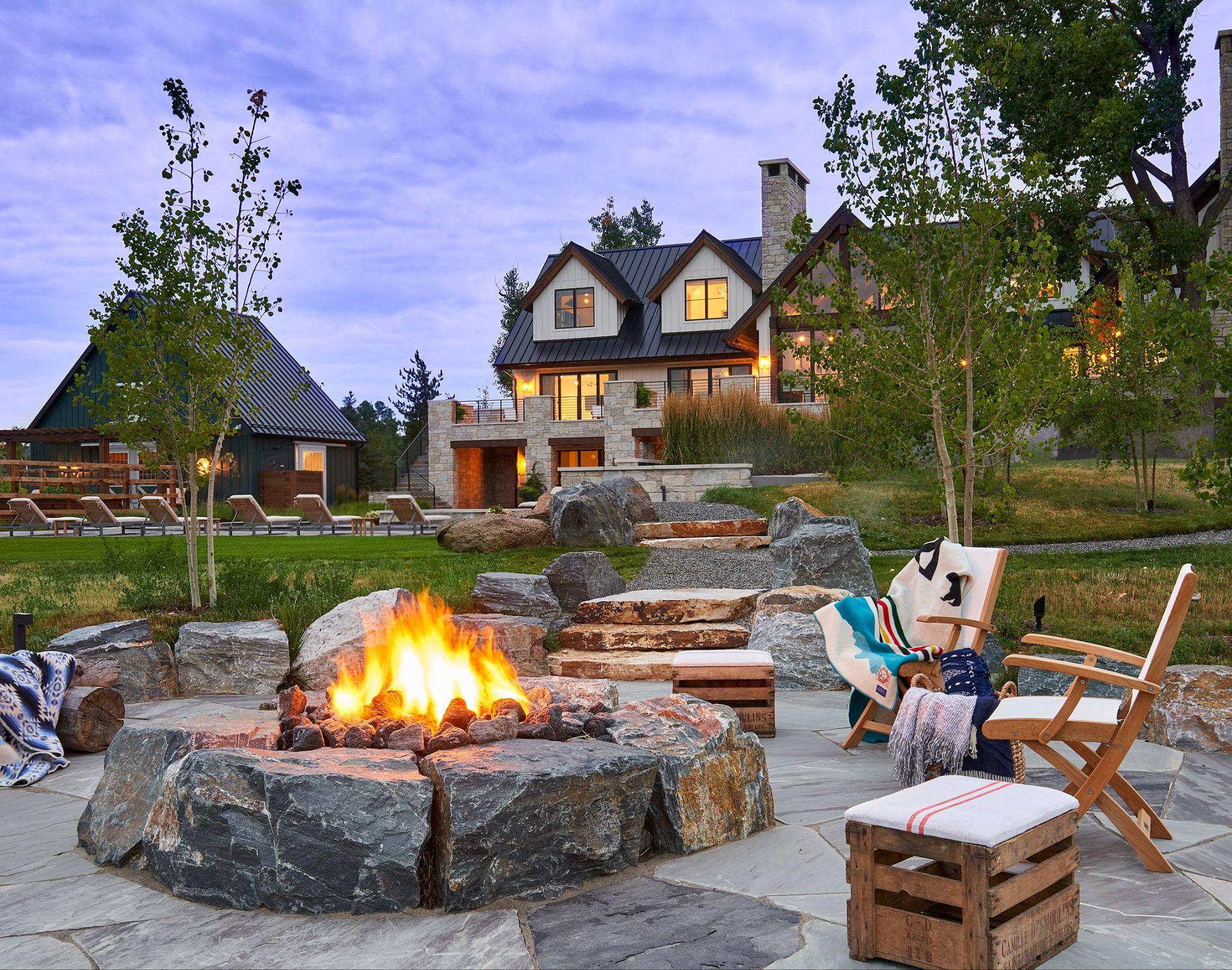
Residential landscape construction involves numerous trades and sequential steps. Managing this yourself means coordinating designers, excavators, masons, carpenters, electricians, plumbers, and landscapers. Each needs to arrive at the right time with the right information.
A full-service approach handles all coordination for you. One team manages design, permitting, construction, and final details. You work with a single point of contact rather than juggling multiple contractors. This integrated method starts with a design that accounts for construction realities. Designers who also build understand what works in practice, not just on paper. They specify materials that are actually available and detail connections that crews can execute properly. Permitting becomes straightforward when handled by experienced professionals. They know local requirements, submit complete applications, and address reviewer comments efficiently. You avoid delays from incomplete submissions or code violations.
The construction phase benefits from continuity. The same team that designed your space builds it. They understand the intent behind every detail. Questions get answered quickly because decision-makers are accessible. Landscape construction projects encounter unexpected conditions. You might discover buried utilities, poor soil, or drainage issues. A full-service team adapts quickly, proposing solutions without stopping work while you find additional contractors.
Material procurement happens through established supplier relationships. This often means better pricing, priority service, and access to higher-quality products. You benefit from volume purchasing power. Quality control remains consistent when one company handles all work including getting the right materials. Standards don’t vary between different subcontractors.
Scheduling becomes more predictable. Without coordination gaps between separate contractors, work flows more smoothly. Weather delays still happen, but you’re not waiting for the next available contractor to fit you into their schedule. Warranty and follow-up are simpler. If an issue arises, you call one company. They handle diagnosis and repairs without finger-pointing between multiple contractors. This accountability matters when problems need quick resolution.
Full-service residential landscape construction also includes post-construction support. You receive guidance on caring for new plantings, maintaining hardscapes, and operating systems like irrigation or lighting. From your perspective, this approach means less stress and more confidence. You’re not learning project management on the job. Experienced professionals handle complexities while keeping you informed and involved in decisions that matter to you.
What Long-Term Care Looks Like After Construction
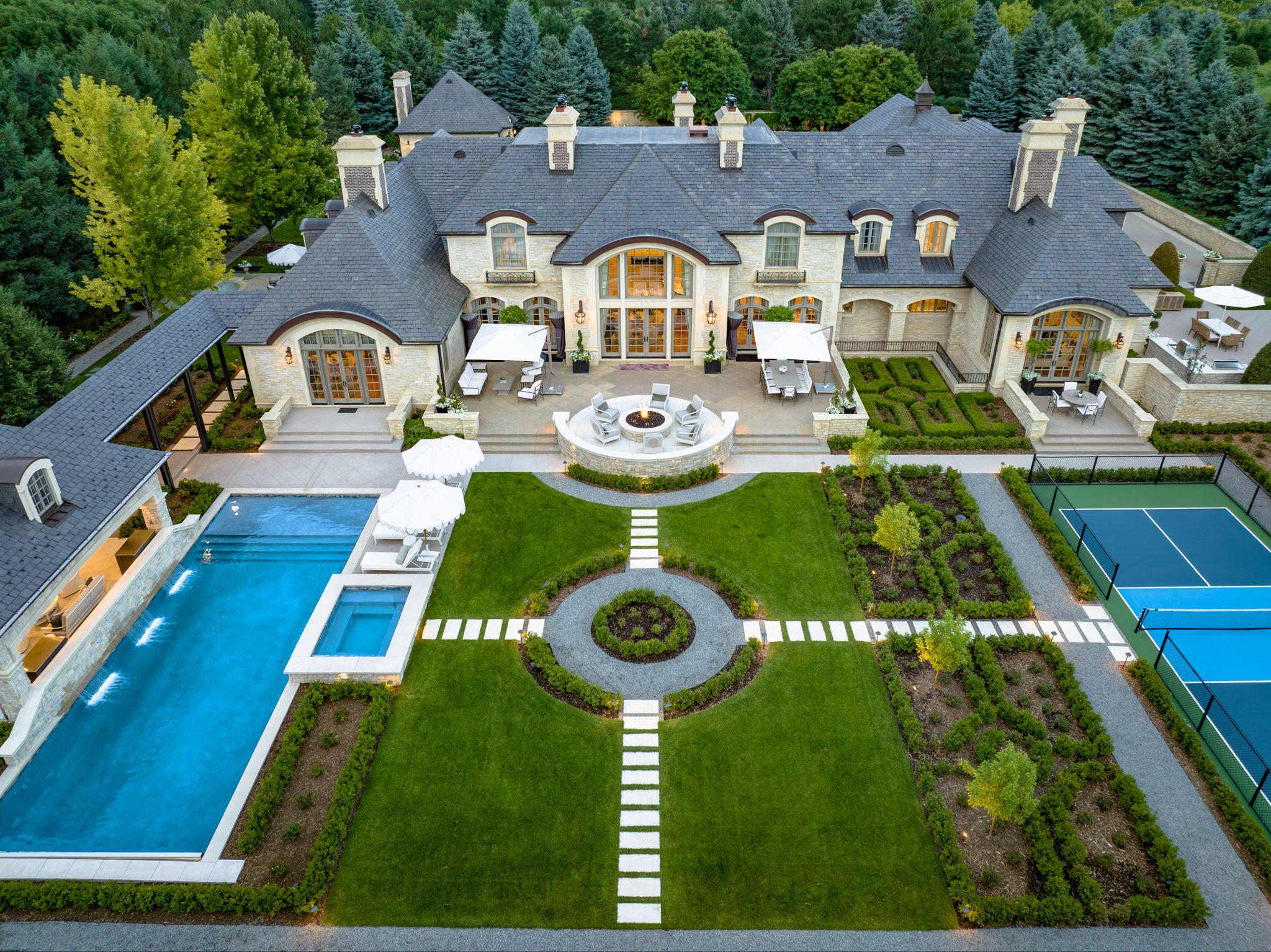
Your new outdoor space requires ongoing attention to maintain its beauty and function. Understanding care requirements helps you plan time and resources appropriately. Hardscape maintenance is generally minimal but important. Pavers may need occasional cleaning to remove stains or organic growth. Power washing works for most materials, though natural stone may need gentler approaches. Sealing protects some surfaces and enhances color, with reapplication every few years depending on the product.
- Joint sand between pavers can wash out over time. Replenishing it prevents weed growth and maintains the interlock between units. Polymeric sand resists washout better than regular sand.
- Retaining walls need periodic inspection. Look for signs of movement, cracking, or drainage issues. Addressing small problems early prevents larger failures.
- Wood structures require regular maintenance. Staining or sealing protects against moisture and UV damage. Frequency depends on your climate and the products used. Annual inspection lets you spot rot or insect damage before it becomes serious.
- Metal structures need less frequent attention. Checking for rust and touching up protective coatings maintains appearance and prevents corrosion.
- Irrigation systems need seasonal adjustments. Spring startup includes checking for winter damage and adjusting coverage as plants grow. Fall winterization prevents freeze damage in cold climates. Controllers need programming updates as plant water needs change.
- Drainage systems should be checked annually. Clearing debris from catch basins and checking that water flows properly prevents backup and flooding.
- Lighting systems using LEDs require minimal bulb replacement, but fixtures need cleaning. Checking connections and adjusting aim keeps your lighting effective.
- Outdoor living includes plant care requirements. Trees and shrubs need pruning to maintain shape and health. Perennials benefit from division every few years. Mulch replenishment suppresses weeds and retains moisture.
Some homeowners handle maintenance themselves. Others prefer professional services. Many landscape construction firms, like Designs by Sundown, offer ongoing care programs. These might include seasonal cleanups, pruning, irrigation management, and hardscape maintenance. Understanding what care your space needs helps you budget time and money appropriately. Luxury features like outdoor kitchens need cleaning after use and periodic deep cleaning of grills and appliances.
The advantage of working with a full-service provider is that they know exactly what was installed and how to maintain it. They have records of materials, products, and installation details. This knowledge ensures appropriate care methods. Warranty coverage often depends on proper maintenance. Following recommended care protects your investment and ensures warranty claims are honored if issues arise. Most outdoor spaces become easier to maintain after the first year. The initial investment in quality landscape construction pays dividends through years of enjoyment with reasonable maintenance effort.
Build Spaces That Enhance Your Life
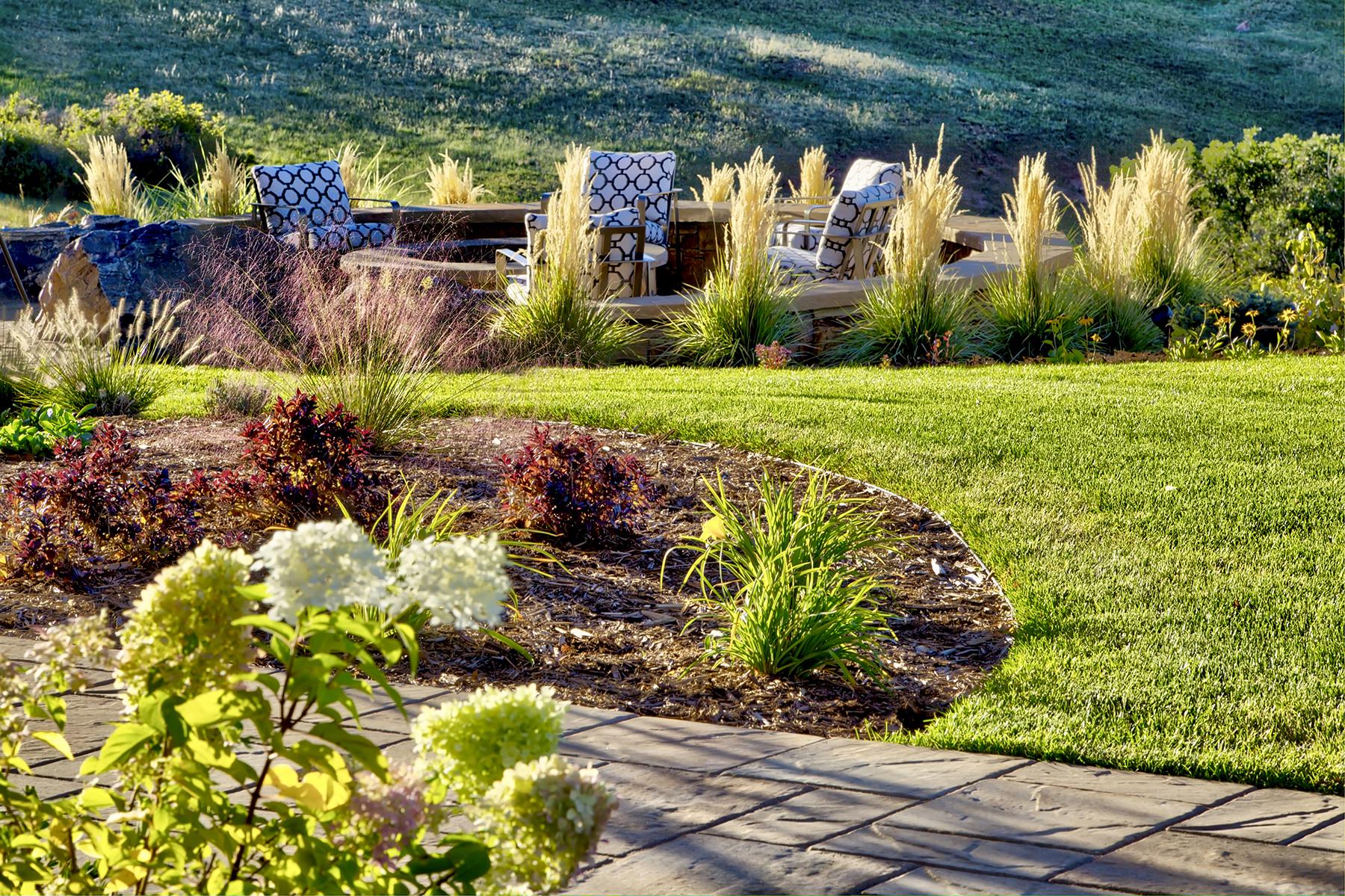
Creating a custom outdoor experience requires an investment in how you live, entertain, and enjoy your property. The difference between a satisfactory result and an exceptional one lies in planning, execution, and support throughout the process.
Landscape construction succeeds when every element works together. Hardscapes provide structure. Plants add life and softness. Structures create comfort and definition. Systems handle water, light, and irrigation behind the scenes. When professionals coordinate all these components, you get cohesive results that function beautifully.
Your outdoor environment should reflect your lifestyle and enhance your daily experience. Whether you envision quiet morning coffee on a private patio or lively evening gatherings around a fire feature, thoughtful landscape construction makes those moments possible.
The right approach combines technical expertise with genuine care for your experience. You deserve clear communication, quality workmanship, and confidence that your project is in capable hands. When these elements align, creating your outdoor space becomes a rewarding process that results in a place you’ll treasure for years to come. When you’re ready to bring your vision to life, book a consultation to begin the conversation about your outdoor living goals.
Tags: